

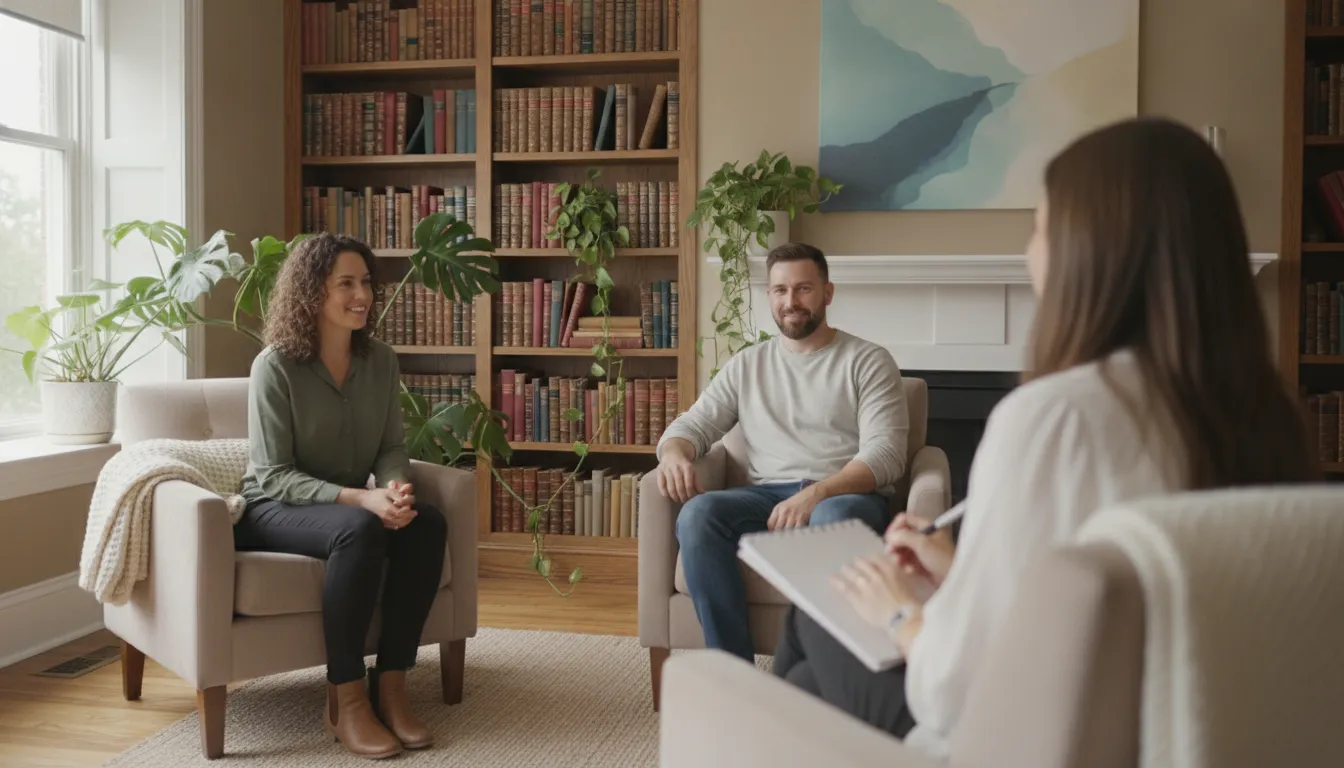
When conflict keeps circling back to the same unresolved issues, the right therapist can offer more than a neutral place to talk. Look for a clinician who understands relationship dynamics, uses evidence-based methods, and can work within the practical realities of your location and schedule.
For couples seeking couples therapy san francisco, The Relationship Clinic offers a boutique, Gottman-trained approach grounded in more than 35 years of Bay Area relationship expertise. Sessions are available in person in Palo Alto or through secure telehealth for residents anywhere in California. With couples therapy priced at $250 per session and offered out of pocket.
Relationships do not just happen. They are built through consistent attention, honest conversation, and practical support. The first step is understanding what distinguishes a thoughtful couples therapist and how that fit can support your shared goals.
Finding the Right Couples Therapy in San Francisco
Choosing a therapist is not only about finding an available appointment. The right couples therapist should have the training, experience, and interpersonal style to help both partners feel heard while addressing the patterns that keep conflict going. For couples researching couples therapy San Francisco options, it is worth looking closely at credentials, specialization, therapeutic methods, and personal fit.
Look for specialized couples training
Start by confirming that the therapist is licensed and has substantial experience working with couples, rather than primarily treating individuals. Couples sessions involve a distinct clinical dynamic: the therapist must remain attentive to each partner while helping the relationship itself become the focus of treatment. Gottman-trained clinicians bring specialized preparation in relationship assessment, communication, and conflict patterns, supported by an evidence-based framework for strengthening connection.
It is also reasonable to ask whether a therapist regularly works with concerns similar to yours. Such as recurring arguments, emotional distance, infidelity, parenting disagreements, or the strain of demanding professional lives. A therapist who understands the complexity of your situation can help you move beyond general advice and toward practical relationship-building.
Choose an evidence-based, personalized approach
Evidence-based methods give couples a structured way to understand their patterns and practice new responses. The American Psychological Association identifies communication as a key part of a healthy relationship, including making time to talk about more than household management or parenting. It also notes that yelling, personal criticism, and withdrawing during arguments are associated with more damaging relationship outcomes than constructive strategies such as listening. Learn more about healthy relationship communication from the American Psychological Association.
When the same argument repeats without resolution, couples therapy can provide a setting to examine the cycle and develop healthier ways to communicate. A boutique practice can personalize that work instead of applying a one-size-fits-all plan. The therapist may draw from the Gottman Method, Cognitive Behavioral Therapy, Mindfulness, or Family Systems approaches, selecting methods that fit the couple's goals, history, and readiness.
Pay attention to fit and rapport
Even highly qualified therapists will not be the right match for every couple. During an initial conversation, notice whether both partners feel respected, whether the therapist explains the process clearly. And whether difficult topics can be discussed without either person feeling dismissed or blamed. A complimentary 20-minute phone consultation can help you assess that fit before committing to ongoing 50- to 60-minute sessions.
The Relationship Clinic offers a premium, boutique approach grounded in more than 35 years of Bay Area relationship expertise. Couples seeking couples therapy in San Francisco can explore a personalized plan with a licensed, Gottman-trained clinician, with in-person therapy available in Palo Alto and telehealth available throughout California.
Why San Francisco Couples Choose Telehealth Therapy
For couples in San Francisco, scheduling therapy can be difficult when workdays stretch across the city, commutes run long, or both partners keep demanding professional calendars. Telehealth makes it possible to attend couples sessions from a private, comfortable location without adding another trip to the day. Partners can join from home, a quiet office, or another suitable setting, provided both have privacy and a reliable internet connection.
The Relationship Clinic offers secure videoconferencing through Zoom to residents throughout California. That includes couples in San Francisco who want support from a boutique practice with more than 35 years of Bay Area relationship expertise. Sessions are generally 50 to 60 minutes and may be scheduled weekly or bi-weekly, depending on the couple's needs, goals, and treatment plan.
Is telehealth couples therapy as effective as in-person therapy?
Telehealth couples therapy can provide a focused setting for meaningful conversations, reflection, and practical relationship work. The quality of therapy depends on several factors, including the fit between the couple and clinician. Each partner's willingness to participate, and the ability to speak openly without interruption. A secure video session also allows the therapist to observe how partners communicate, respond, and make space for one another in real time.
Telehealth is not the right format for every couple or every circumstance. Some partners prefer meeting in the same physical room, while others may need to address privacy, safety, technology, or scheduling concerns before beginning. A complimentary 20-minute phone consultation offers an opportunity to discuss whether telehealth is a suitable starting point and what each partner hopes to accomplish.
Telehealth or in-person sessions in Palo Alto
Geography does not have to determine whether a couple can begin therapy with the practice. The right choice usually comes down to location, comfort, and schedule. The table below compares the two delivery options.
| Option | Location | What to expect | Best for |
|---|---|---|---|
| In-person couples therapy | Palo Alto office | Face-to-face sessions with a Gottman-trained clinician | Couples who prefer meeting in the same room |
| Telehealth couples therapy | Anywhere in California via secure Zoom | Private video sessions from home, office, or another suitable setting | Busy schedules, long commutes, or partners in different cities |
Both options keep the work grounded in individualized, evidence-based couples therapy. Choosing between them is a practical decision about what supports the couple best, not a difference in clinical quality.
Whether sessions take place online or in the Palo Alto office, the work remains grounded in individualized, evidence-based couples therapy. The goal is not simply to fit another appointment into a busy week. It is to create a reliable space where partners can understand recurring patterns, practice more effective communication, and build a stronger relationship with intention.
How Much Does Couples Therapy Cost in San Francisco?
The cost of couples therapy in the San Francisco Bay Area varies by therapist, location, experience, session format, and whether insurance contributes to the fee. Because practices set their own rates, it is important to ask for the current price, session length, payment expectations, and insurance policy before scheduling. The Relationship Clinic charges $250 per couples therapy session, paid out of pocket, and does not accept insurance for couples therapy.
Sessions are 50 to 60 minutes and are generally scheduled weekly or bi-weekly, depending on the couple's goals and circumstances. The fee reflects individualized work with an experienced, boutique practice rather than a high-volume model. The Relationship Clinic brings more than 35 years of Bay Area relationship expertise to couples who want thoughtful, evidence-based therapy and a private setting for meaningful conversations.
There is no single reliable price that represents every San Francisco therapist or practice. So comparing an advertised fee alone may not tell you what the experience will be like. When reviewing options, consider whether the therapist has specialized couples training, whether the format fits your schedule. And whether the sessions are structured around the concerns that brought you in. A lower listed rate may not offer the same session length, expertise, or continuity, while a higher rate may not be the right fit for your relationship.
The Relationship Clinic offers a complimentary 20-minute phone consultation as a no-cost first step. This conversation gives you and your partner an opportunity to share what you are seeking. Ask practical questions about couples therapy, and decide whether the practice's approach feels appropriate before committing to a paid session. It can also clarify whether in-person sessions in Palo Alto or secure telehealth within California is the better fit for you.
If you are ready to discuss your situation and the $250 session fee, you can book your session and begin with the complimentary consultation. The goal is not to promise a particular result, but to create a focused, respectful process for building a stronger relationship.
The Gottman-Trained Approach at The Relationship Clinic
Choosing a couples therapist is not only about finding an available appointment. It is also about understanding how the clinician thinks about conflict, connection, and the patterns that shape a relationship over time. At The Relationship Clinic, couples work with Gottman-trained clinicians in a boutique setting shaped by more than 35 years of Bay Area relationship expertise.
The Gottman Method is one part of an evidence-based approach to couples therapy. It offers a practical framework for noticing interaction patterns, improving communication, and strengthening the friendship and emotional connection within a partnership. The work is not a script applied identically to every couple. Instead, the clinician considers the couple's concerns, history, goals, and readiness while helping both partners participate in a more constructive process.
Evidence-based therapy shaped around the couple
The Relationship Clinic may draw from the Gottman Method alongside Cognitive Behavioral Therapy, mindfulness, and Family Systems perspectives when those approaches fit the couple's needs. Each modality can illuminate a different part of the relationship. Cognitive Behavioral Therapy can help partners examine the thoughts and reactions that intensify conflict. Mindfulness can create more space between an emotional trigger and a response. Family Systems work can help couples understand how earlier relationships and family patterns influence present-day interactions.
This integrated perspective is especially valuable when couples are facing recurring arguments, communication breakdowns, major transitions, or the strain of demanding professional lives. The goal is not to assign blame or promise a particular outcome. It is to help partners develop a clearer understanding of what happens between them and practice healthier ways of responding.
For a closer look at this framework, read about Gottman Method couples therapy.
A boutique model for meaningful relationship work
A boutique clinic model allows therapy to remain individualized rather than treating every couple as if they arrived with the same problem. Sessions can make room for the practical details of a couple's life, the emotional meaning beneath a disagreement, and the goals each partner brings into treatment. The practice offers in-person therapy in Palo Alto and telehealth therapy throughout California. Making it an option for couples seeking couples therapy in San Francisco who prefer a personalized clinical relationship.
The practice philosophy is simple: "Relationships don't just happen. They are built." Building one requires attention, honesty, and repeated opportunities to choose a more connected response. Gottman training provides a research-informed foundation, while the boutique approach keeps the work responsive to the people in the room.
What to Expect in Your First Couples Therapy Session
Beginning couples therapy does not require you to have every concern organized or every disagreement resolved. For couples in San Francisco, the first step can be a brief, low-commitment conversation that helps you decide whether the practice and therapist feel like a good fit. The first full session then creates space to understand your relationship, clarify what you hope to change, and identify a thoughtful direction for the work ahead.
- Begin with a complimentary 20-minute phone consultation. Before scheduling a full session, you can speak briefly with the practice about what brings you in and what you are looking for. This consultation is an opportunity to ask practical questions, describe your concerns in broad terms, and learn more about the therapeutic approach. You do not need to make a long-term commitment during this call. Reaching out is simply a way to take an informed first step.
- Set aside 50 to 60 minutes for the first session. A full couples therapy session generally lasts 50 to 60 minutes. That time allows both partners to participate and gives the therapist enough room to listen carefully rather than rush toward conclusions. The conversation may include difficult subjects, but you do not need to present a polished version of your relationship. Honest, respectful detail is more useful than trying to say everything perfectly.
- Share your relationship history and current concerns. The therapist will typically ask about the development of your relationship, important turning points, recurring sources of conflict, and what has already been tried. You may discuss communication patterns, emotional disconnection, intimacy, trust, or the pressures affecting your partnership. The goal is not to assign blame. It is to understand the pattern you are both experiencing and the context around it.
- Define goals for therapy together. You and your therapist can identify what you would like sessions to address. One couple may want to communicate more constructively during conflict, while another may be working through a major transition or trying to rebuild connection. Goals can become clearer over time. The first session is a starting point for collaborative treatment planning, not a promise of a specific result.
- Discuss a practical session cadence. Couples sessions are generally scheduled weekly or bi-weekly, depending on your needs, availability, and the direction of the work. The practice offers in-person therapy in Palo Alto and secure telehealth for California residents, including couples in San Francisco. Your therapist can help you consider a rhythm that supports consistent attention to your relationship while fitting your circumstances.
Relationships do not just happen. They are built through repeated, intentional choices. A first conversation can help you decide whether beginning that process with The Relationship Clinic feels right for both of you.
How to Know If Couples Therapy Is Working
Progress in couples therapy is often easier to recognize in everyday interactions than in one dramatic breakthrough. You may notice that conversations feel less defensive, disagreements become more manageable, or the same issue no longer turns into the same exhausting argument. These changes can develop gradually, especially when a couple is working through longstanding hurt, stress, or disconnection.
One useful sign is better communication. Healthy couples make time to check in with each other about more than household logistics or parenting. Creating room to discuss feelings, needs, and the state of the relationship. The American Psychological Association identifies regular check-ins as part of a healthy relationship. In sessions, couples may practice listening carefully, speaking more directly, and responding to what their partner means rather than reacting only to how something was said. The APA's guidance on healthy relationships offers additional context on these communication patterns.
Progress does not mean never disagreeing
Fewer conflicts can be encouraging, but the goal is not to eliminate disagreement. Couples can make progress while still having different opinions, particularly when they learn to handle conflict without yelling, personal criticism, or withdrawing from the discussion. Constructive conflict leaves room for listening, repair, and returning to the issue when both partners are calmer.
Pay attention to what happens before, during, and after a disagreement. Are you able to pause before saying something hurtful? Can each partner describe the other's perspective, even when they do not agree? Do you recover more quickly and reconnect after a difficult conversation? A shift from immediate defensiveness toward curiosity is meaningful. So is the ability to raise a concern before resentment builds.
Look for changes in recurring patterns
Repeated versions of the same fight can signal that a couple is stuck in a communication pattern that needs attention. Therapy may be helping when the pattern becomes easier to identify and interrupt. Instead of debating the same details without resolution, partners may begin naming the underlying need, taking responsibility for their contribution, or asking for a different kind of response.
For couples seeking couples therapy in San Francisco, it can help to discuss these observations openly with the therapist. Progress is a process, not a single event. A difficult week does not erase meaningful change, and a quiet week does not necessarily mean every issue is resolved. The more useful question is whether the relationship is becoming a place where both partners can communicate with greater honesty, respect, and willingness to repair.
Frequently Asked Questions
How much does couples therapy cost in San Francisco?
At The Relationship Clinic, couples therapy is $250 per session, paid out of pocket, and insurance is not accepted for couples sessions. A complimentary 20-minute phone consultation is available before scheduling ongoing therapy.
What should you look for in a couples therapist?
Look for a licensed therapist with specific couples-therapy training, a clear approach, and a style that feels respectful to both partners. It is also reasonable to ask how the therapist handles conflict, protects privacy, and adapts sessions to your goals. Gottman training and experience with relationship dynamics can be useful considerations.
Is telehealth couples therapy available for San Francisco couples?
Yes. The Relationship Clinic offers secure telehealth therapy to residents throughout California, including couples in San Francisco. In-person therapy is available in Palo Alto. A private space, reliable connection, and agreement to participate fully can help online sessions work well.
How do you know if couples therapy is working?
Progress may appear as more productive conversations, greater understanding of each partner's experience, and fewer repetitive or escalating conflicts. Partners may also become better able to repair after disagreements. Therapy is not a guarantee of a particular outcome, so progress is best evaluated with your therapist against the goals you set together.
Begin Your Couples Therapy Journey in San Francisco
When you are ready to build healthier patterns of communication and connection, The Relationship Clinic makes it simple to begin. Every new client starts with a complimentary 20-minute phone consultation. A low-commitment first step to help you meet a therapist and share what brings you to couples therapy in San Francisco.
In-person sessions are available in Palo Alto, and secure telehealth sessions are available throughout California. Reach out today and take the next step toward a stronger, more connected relationship.





