

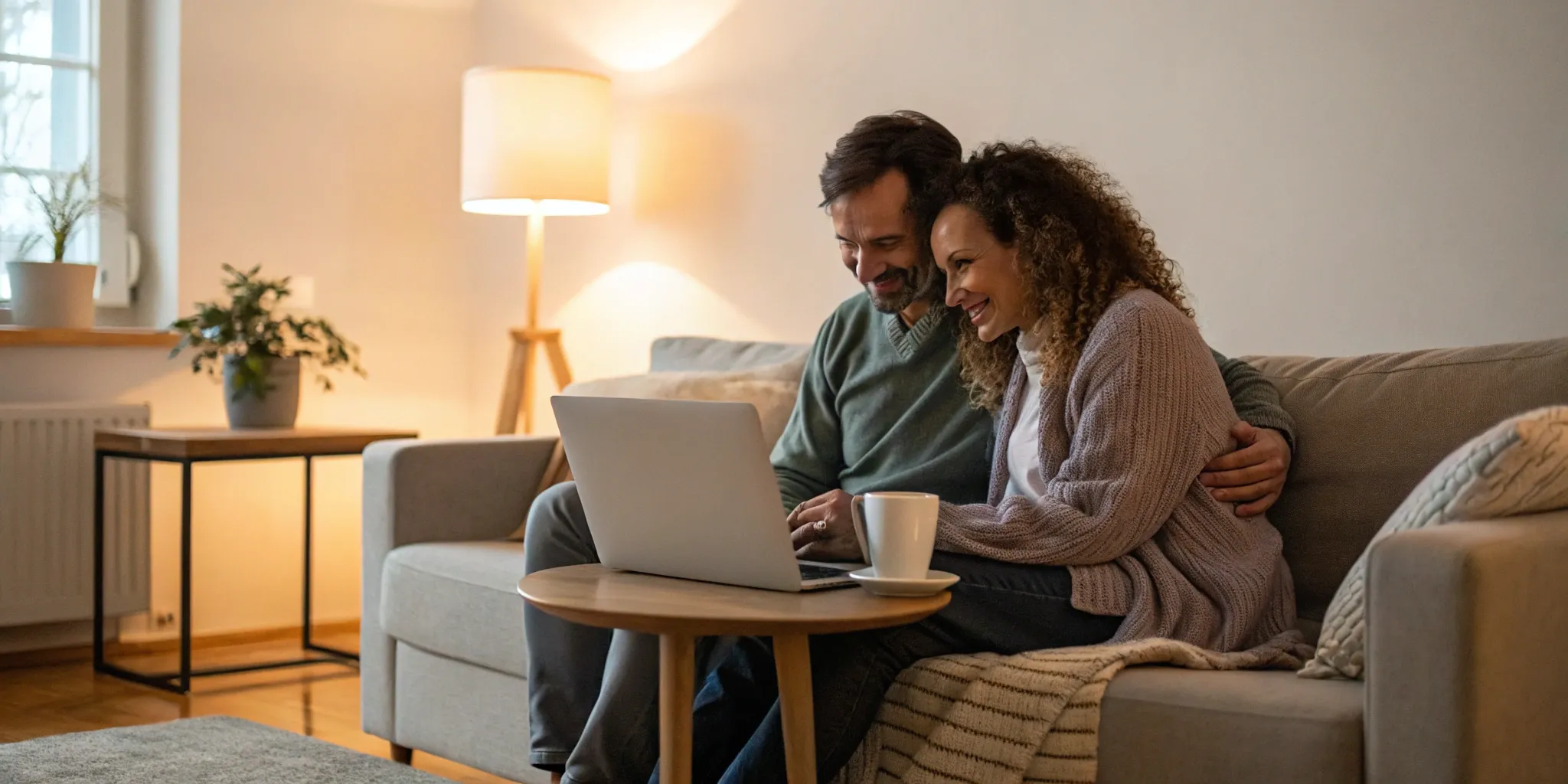
Every relationship hits rough patches. Maybe you feel like you’re having the same argument on repeat, or a quiet distance has grown between you. Seeking support is a sign of strength, showing you’re both invested in building a healthier future. Couples virtual therapy makes taking that step more accessible than ever. It allows you to connect with a skilled professional who can provide tools and new perspectives, all without leaving your home. From the comfort of your own couch, you can learn to resolve conflict, deepen your intimacy, and strengthen your bond. This is about creating a more fulfilling partnership, one conversation at a time.
Key Takeaways
- Prioritize Your Relationship Without the Hassle: Online therapy removes logistical barriers like commutes and conflicting schedules, making it easier to consistently show up for your relationship. Research confirms it's just as effective as in-person sessions.
- Find the Right Specialist, Not Just the Closest One: Your options are no longer limited by location. Online therapy allows you to connect with a therapist who has the specific training and approach that best fits your unique needs as a couple.
- Success Depends on Your Shared Commitment: Get the most out of every session by preparing your space to be private and distraction-free, discussing your goals beforehand, and actively practicing what you learn in your daily life.
What is Online Couples Therapy & How Does It Work?
Online couples therapy is simply a way for you and your partner to get professional support for your relationship from the comfort of your own space. Think of it as the same dedicated couples counseling you’d receive in an office, but delivered through a secure video call. The goal is the same: to help you and your partner improve communication, work through challenges, and build a stronger connection.
Many people assume therapy is only for when a relationship is in crisis, like after an affair or during a major life change. While it’s incredibly helpful in those moments, it’s also a powerful tool for proactive care. Just like you go for regular check-ups for your physical health, therapy can be a way to maintain and strengthen your relationship health over time. It provides a structured space to talk through the small stuff before it becomes big stuff, guided by a professional who can offer new perspectives and tools. The process is straightforward—you schedule a session, connect with your therapist online, and begin the work of building a more fulfilling partnership.
The Tech That Makes It Possible
Getting started with online therapy is surprisingly simple. All you really need is a smartphone, tablet, or computer with a stable internet connection. The most important piece of the puzzle is finding a private, quiet space where you and your partner won't be interrupted for the duration of your session. Therapists use secure, easy-to-use video platforms like Google Meet or Zoom for these calls. These services are designed to protect your confidentiality and comply with strict privacy laws like HIPAA, so you can feel confident that your conversations remain between you, your partner, and your therapist.
How It Differs from In-Person Therapy
The biggest difference between online and in-person therapy is convenience. Studies show that online therapy is generally just as effective as in-person therapy, but it removes many of the logistical hurdles that can stop couples from seeking help. If you have a busy or conflicting work schedule, travel often, or have young children at home, online sessions offer the flexibility to find a time that works for everyone without the added stress of a commute. It also opens up your options, allowing you to connect with the right therapist for your specific needs, even if they aren’t located in your immediate area.
What Are the Real Benefits of Online Therapy for Couples?
If you’re wondering whether talking to a therapist through a screen can really work, you’re not alone. It’s natural to question if you can build a real connection without being in the same room. But online therapy offers some unique and powerful advantages that can make it not just a good alternative, but often a better fit for modern couples.
The goal of couples therapy is to create a safe space for open communication and guided problem-solving. Technology has simply expanded what that space can look like. Instead of a therapist’s office, it might be your living room couch. The core of the work—the conversations, the insights, and the connection with a professional who can help—remains the same. For many couples, the flexibility and comfort of meeting online removes major hurdles, making it easier to commit to the process and focus on what truly matters: your relationship. Let’s look at some of the biggest benefits.
Unbeatable Convenience and Access
Let's be honest: life is busy. Between work, family, and personal commitments, finding a time that works for both you, your partner, and a therapist can feel like a logistical nightmare. Online therapy eliminates the commute, which means no more rushing through traffic to make an appointment. This is a game-changer for couples with conflicting schedules, those in long-distance relationships, or anyone who travels frequently. You can have your session from anywhere with a stable internet connection. And don’t worry about sacrificing quality for convenience—studies consistently show that online therapy is just as effective as traditional in-person sessions.
Find Comfort and Privacy at Home
There’s something powerful about doing therapy in your own space. Being in a familiar environment where you already feel safe can make it easier to open up and be vulnerable with your partner. You can sit on your favorite couch, have a cup of tea, and even have your pet nearby for comfort. This setting removes the clinical feeling of an office and helps you relax into the conversation. It’s also a practical solution for couples with young children who would otherwise need a babysitter, or for individuals who find it challenging to leave home due to anxiety or physical limitations.
Flexible Scheduling for Busy Lives
Online therapy puts you in control of your schedule. Most platforms and clinics offer easy-to-use online booking systems, allowing you to see a therapist’s availability and book a session that fits into your life—even if it’s during a lunch break or after the kids are in bed. Rescheduling is just as simple, saving you the hassle of phone tag. This flexibility removes one of the most common barriers to starting therapy. By making it easier to find a time that works, you and your partner are more likely to stay consistent with your sessions, which is key to making real progress. You can contact us to see how our scheduling works.
Connect with the Right Therapist, Anywhere
Finding a therapist who is the right fit for your relationship is crucial. You need someone with the right expertise, approach, and personality. When you’re limited to therapists in your local area, your options can be slim. Online therapy blows those geographical boundaries wide open. You can connect with a specialist from anywhere, whether you’re looking for someone trained in a specific method like the Gottman Method or Internal Family Systems, or someone who has experience with your unique challenges. This access ensures you can find the best possible guide for your journey, not just the closest one. You can learn more about our therapists and their specializations to see what a difference the right expertise makes.
How Much Does Online Couples Therapy Cost?
Talking about money can be just as sensitive as talking about feelings, but it’s a practical step in finding the right support for your relationship. The cost of online couples therapy varies quite a bit, but understanding the different pricing models and factors can help you find an option that fits your budget. Think of it not as an expense, but as a proactive step toward building a healthier, more connected partnership. The good news is that the flexibility of online therapy often comes with more flexible pricing than traditional in-person sessions. Let’s break down what you can expect to pay and what influences the final cost.
Understanding Session-Based Pricing
When you start looking at options, you’ll find that pricing generally falls into two camps: per-session fees or weekly/monthly subscriptions. Per-session rates for online couples therapy can range anywhere from $40 to over $275. This model gives you the flexibility to schedule sessions as you need them without a long-term commitment.
On the other hand, many popular platforms use a subscription model, which typically costs between $65 and $90 per week. This fee often covers one live session per week and may include extra perks like unlimited messaging with your therapist. A subscription can be a great way to ensure you have consistent, ongoing support, especially when you’re working through more complex issues.
Does Insurance Cover It? (And Other Ways to Pay)
This is the big question for many couples, and the answer is: sometimes. The landscape is changing, and more insurance companies are recognizing the value of couples counseling. Many major platforms, like Talkspace, now partner with providers like Aetna, Cigna, and Anthem to make therapy more accessible.
However, coverage isn't guaranteed. Your first step should always be to call your insurance provider and ask specifically about coverage for "couples therapy" or "family therapy." You can also check the therapy platform’s website, as they often list their insurance partners. If insurance isn't an option, ask about using Health Savings Account (HSA) or Flexible Spending Account (FSA) funds, which are often accepted.
What Affects the Final Cost?
Several factors can influence the price you pay per session. A therapist’s experience, location, and specializations play a big role. For instance, a session with a highly experienced therapist in a major city will likely cost more than one with a newer therapist in a smaller town.
Session length is another key factor. A standard 45-minute individual session might cost less than a longer, 80-minute couples session, with fees ranging from $130 to $400 depending on these variables. If you’re paying out-of-pocket, you’ll be looking at the cash rate. For example, some practices charge a flat cash rate for couples therapy of around $165 per session if you don't have or use insurance.
How to Choose the Right Online Therapist for You
Finding a therapist can feel a lot like dating—you’re looking for the right fit. The connection you have with your therapist is one of the biggest factors in whether therapy is successful, so it’s worth taking the time to find someone you both trust and feel comfortable with. Think of it as assembling your support team. You want to choose someone who not only has the right qualifications but also understands your specific relationship goals.
When you’re searching online, you’ll find countless profiles and platforms, which can feel overwhelming. To make it manageable, focus on a few key areas: their professional background, their specific expertise, how they communicate, and how they protect your privacy. Breaking it down this way helps you move from a sea of options to a shortlist of qualified professionals who are a great potential match for you and your partner. This isn't about finding a "perfect" therapist, but about finding the right one for you.
Check Their Credentials and Licensing
First things first, let’s talk about qualifications. You want to make sure the person guiding you through sensitive conversations is a trained, licensed professional. A license means they’ve met rigorous state requirements for education, training, and ethical standards. Look for credentials like LMFT (Licensed Marriage and Family Therapist), LCSW (Licensed Clinical Social Worker), or LPC (Licensed Professional Counselor). Reputable therapists will always have their credentials listed clearly on their website or profile. You can usually verify a license through your state’s professional licensing board to give you complete peace of mind before you even book a session.
Find a Specialist in Couples Therapy
Just like you wouldn’t see a foot doctor for a heart problem, you’ll get the best results from a therapist who specializes in relationships. Individual therapy is very different from couples work. A specialist has specific training in relationship dynamics, conflict resolution, and communication patterns. They’re equipped with proven methods designed for partners, like the Gottman Method or Emotionally Focused Therapy (EFT). Choosing a specialist ensures your therapist has the right tools and experience to help you and your partner work through your unique challenges and build a stronger connection together.
Consider Their Communication Style and Tech
This is where personal fit comes into play. Do you prefer a therapist who is warm and nurturing, or one who is more direct and solution-focused? Watch any videos they have or read their "About Me" section to get a feel for their personality. Many therapists offer a free 15-minute consultation, which is a perfect, low-pressure way to see if you click. On the practical side, make sure their platform is easy to use. A clunky or confusing interface just adds unnecessary stress. Therapy is challenging enough without fighting with technology, so a smooth, reliable connection is a must.
Ensure Your Privacy is Protected
Talking about your relationship requires a safe, confidential space. When you’re meeting online, that safety extends to your data. Always choose a therapist or platform that is HIPAA-compliant. HIPAA is a federal law that sets the standard for protecting sensitive patient health information. This means the video platform they use is secure and your conversations are kept private. A professional therapist takes your confidentiality seriously. If you have any questions about their privacy practices, don’t hesitate to ask. You can always reach out to us if you have specific concerns you’d like to discuss.
Is Online Therapy Really for Us? Answering Common Concerns
It’s completely normal to feel a little hesitant about trying therapy online. You might be wondering if it can truly offer the same support as sitting in a therapist’s office. These are valid questions, and you’re not alone in asking them. Let’s walk through some of the most common concerns couples have when considering virtual therapy, so you can decide what feels right for your relationship.
Is It as Effective as In-Person Sessions?
This is the big question, and the short answer is yes. A growing body of research shows that for many couples, online therapy is just as effective as traditional, in-person sessions. The core of successful couples counseling isn’t about the room you’re in; it’s about learning to communicate better, identify unhealthy patterns, and rebuild trust. A skilled therapist can guide you through that process whether you’re on their couch or your own. The fundamental work of strengthening your relationship remains the same, and the outcomes often do, too.
Can You Really Connect Through a Screen?
It might feel strange to think about building a deep, trusting connection with a therapist you’ve only met on a screen. But connection is built on feeling seen, heard, and understood—and that can absolutely happen virtually. In fact, some couples find it easier to open up from the comfort and privacy of their own home. The flexibility of online therapy also means you can find a therapist who is the perfect fit for you, regardless of location, which is a huge factor in building that essential therapeutic relationship.
How Secure Is It, Really?
Your privacy is paramount in therapy, and any reputable online provider will take it seriously. Professional therapists use secure, encrypted platforms that are compliant with privacy laws like HIPAA to protect your confidentiality. Here at The Relationship Clinic, we prioritize your privacy in every session. When you’re exploring your options, never hesitate to ask a potential therapist about the platform they use and the specific measures they take to keep your conversations secure. You have a right to feel safe.
How to Create a Distraction-Free Space
One of the keys to successful online therapy is setting up your environment for success. This isn’t just about having a good internet connection; it’s about creating a dedicated space for your relationship to get the focus it deserves. Before your session, find a quiet, private room where you won’t be interrupted. It helps to sit side-by-side, facing the camera together. Put your phones on silent, close other tabs on your computer, and treat this time as protected. This simple preparation can make a world of difference in helping you both be fully present.
Where to Find the Best Online Couples Therapy
Finding the right online therapy service can feel like a big decision, but it doesn't have to be overwhelming. The goal is to find a platform and a therapist that make you both feel supported and understood. Think of this as a starting point to explore your options, compare what’s out there, and find the best fit for your relationship. Whether you’re dealing with communication breakdowns or just want to build a stronger connection, the right support is available.
Our Approach to Online Therapy at The Relationship Clinic
Here at The Relationship Clinic, we believe that great therapy should fit into your life, not the other way around. We’ve seen firsthand that online therapy is just as effective as in-person sessions, but with added flexibility. You can join sessions from anywhere, which is a game-changer for busy couples or those who simply feel more comfortable opening up from their own space. Our experienced therapists use proven methods like the Gottman Method and IFS to help you build practical skills for a healthier, more fulfilling relationship. We’re here to create a safe, supportive environment for you to grow together.
A Look at Other Reputable Platforms
We want you to find the best fit, and there are many great services out there. Platforms like Rula are known for offering affordable online couples therapy and can help you find a licensed therapist covered by your insurance. This makes it a strong option if you're working within a specific budget. Other regional providers, like Counseling Atlanta, emphasize the convenience and confidentiality of their secure video sessions, ensuring your privacy is always protected. Exploring these options can help you see the variety of approaches available and find what resonates with you as a couple.
Key Features to Compare
As you look at different platforms, it helps to know what to look for. Many couples seek therapy to work on common relationship issues like communication, trust, intimacy, or navigating big life changes. See if a platform has therapists who specialize in the areas you want to focus on. Cost is another major factor. The price for online couples therapy can vary, with some services offering weekly subscriptions and others charging per session. Taking the time to compare pricing models will help you find a quality service that fits your budget without adding financial stress.
How to Prepare for Your First Online Session
Deciding to start couples therapy is a significant step, and it’s completely normal to feel a mix of hope and nervousness before your first session. A little preparation can go a long way in helping you both feel more comfortable and ready to engage, ensuring you get the most out of your time. Think of it less like studying for a test and more like setting the stage for an open and productive conversation. By handling the logistics ahead of time, you create an environment where you can both show up fully present and ready to begin the work. Let’s walk through a few simple things you can do to prepare.
Get Your Tech and Space Ready
Before your session, take a minute to check your tech. Make sure your internet connection is stable and test your camera and microphone to avoid any last-minute glitches. The goal is to make the technology feel as invisible as possible. Next, choose your location. Find a quiet, private room where you won’t be interrupted. This space should feel safe and comfortable for both of you to speak openly. Try to sit side-by-side facing the camera, which helps your therapist see your interactions and makes you feel more like a team. Minimizing distractions by silencing your phones and closing other browser tabs also helps you both stay focused and present during your couples counseling session.
Set Your Goals as a Couple
You don’t need to have everything figured out before your first appointment, but it’s helpful to spend some time thinking about why you’re seeking therapy now. Independently, and then together, talk about what you each hope to gain from the experience. What does a better relationship look like to you? What specific challenges do you want to address? It’s okay if your answers are different; your therapist will help you find common ground. You might even journal your thoughts beforehand to organize what you want to say. This simple act of reflection ensures you start your first session with a sense of purpose and direction.
What to Expect on Day One
The first session is primarily about getting acquainted. Your therapist will want to hear your story—how you met, what your relationship has been like, and what brought you to therapy. They will likely ask questions to understand each of your perspectives and establish a foundation for your work together. This is not about placing blame but about understanding the dynamic between you. It’s a collaborative conversation where the therapist begins to learn how they can best support you. Both partners should plan to be present for the entire session, as your shared commitment is the first step. The main goal is for all three of you to decide if it feels like a good fit to move forward together.
Get the Most Out of Every Online Session
Starting therapy is a huge step, and you want to make sure you’re getting the full benefit of your time and investment. The real work of therapy often happens in the small, intentional choices you make before, during, and after each session. It’s about creating an environment where you can both be open and vulnerable, and then carrying those insights into your daily life. Think of each session as a dedicated time to focus on your relationship, and the work in between as the practice that makes new habits stick. By being mindful of a few key things, you can turn your online therapy sessions into a powerful catalyst for growth and connection.
Tips for Communicating Effectively Online
To have a productive conversation, you need the right setting. Find a quiet, safe, and private location where you won’t be interrupted. This might be your home office, a bedroom, or any space where you can close the door and feel at ease. Decide on a comfortable spot where you can both sit side-by-side, facing the camera together. This helps you feel like a team and allows your therapist to see both of your reactions. Before your session starts, test your internet connection, camera, and microphone. Minimizing technical glitches helps you stay focused on what really matters: each other. Treating the virtual space with the same respect as a physical office helps you both show up fully.
Keep the Momentum Going Between Sessions
The progress you make in therapy isn't limited to the session itself. The real change happens when you apply what you've learned to your everyday life. Before your session, take a few minutes to create a focused environment. That means putting your phones on silent, closing other tabs on your computer, and handling any other potential distractions. After the session, schedule some time to talk with your partner about what stood out for you. What was a key takeaway? Was there something you wanted to say but didn't? Many therapists, including those at The Relationship Clinic, will suggest exercises or topics for discussion. Doing this "homework" keeps the momentum going and strengthens the skills you're building together.
Find Extra Support and Resources
It’s normal to have questions or feel a little hesitant when starting therapy. Many people hold back because of common misconceptions about couples therapy, but learning more about the process can help ease those worries. Remember, seeking help is a sign of strength. Research shows that the vast majority of couples who attend therapy see significant improvements in their relationship satisfaction. Beyond your sessions, look for resources that support your journey. This could mean watching videos on communication techniques, reading articles, or listening to podcasts about relationships. The more you learn, the more equipped you'll be to build the partnership you want.
Related Articles
- Couples Therapy
- Individual Therapy
- Premarital Psychotherapy – The Relationship Clinic
- Marriage Psychotherapy – The Relationship Clinic
- The Relationship Clinic
Frequently Asked Questions
What if my partner is reluctant to start therapy? This is one of the most common hurdles, and it’s a sensitive one. The best approach is to start with an open, non-blaming conversation. Frame it as a way for you both to feel more like a team and learn new tools together, rather than a way to "fix" them or the relationship. You can suggest simply trying one introductory session to see how it feels, with no long-term commitment. Sometimes, just hearing from a neutral third party can make all the difference.
How long will we need to be in therapy? There's no one-size-fits-all answer, as every relationship is unique. Some couples come to therapy to work through a specific, short-term issue and may only need a few months of sessions. Others find that ongoing therapy provides a valuable, dedicated space to maintain their connection over the long term. Your therapist will work with you to set clear goals, and you can always check in on your progress and adjust the frequency of your sessions as you go.
Do we have to be in the same physical location for our online session? Not at all. This is one of the biggest advantages of online therapy. If you're in a long-distance relationship, one of you travels for work, or you simply can't be in the same place at the same time, you can each log in from your separate locations. The therapist can still facilitate a productive conversation and help you feel connected, even when you're miles apart.
Is online therapy a good fit for every couple's situation? Online therapy is highly effective for a wide range of relationship challenges, from communication issues to rebuilding trust. However, there are some situations where in-person therapy might be recommended, such as cases involving severe domestic violence or when one partner is in an acute mental health crisis that requires more intensive, hands-on support. A professional therapist can help you determine the most appropriate level of care during an initial consultation.
What if we try a session and don't feel a connection with the therapist? This is a perfectly valid concern, and it happens. The relationship you have with your therapist is a key part of the process, and finding the right fit is essential. Think of the first session as a two-way interview. If it doesn't feel right, it's completely okay to seek out someone else. Most therapists understand this and will support you in finding a professional who makes you both feel comfortable, heard, and understood.





