

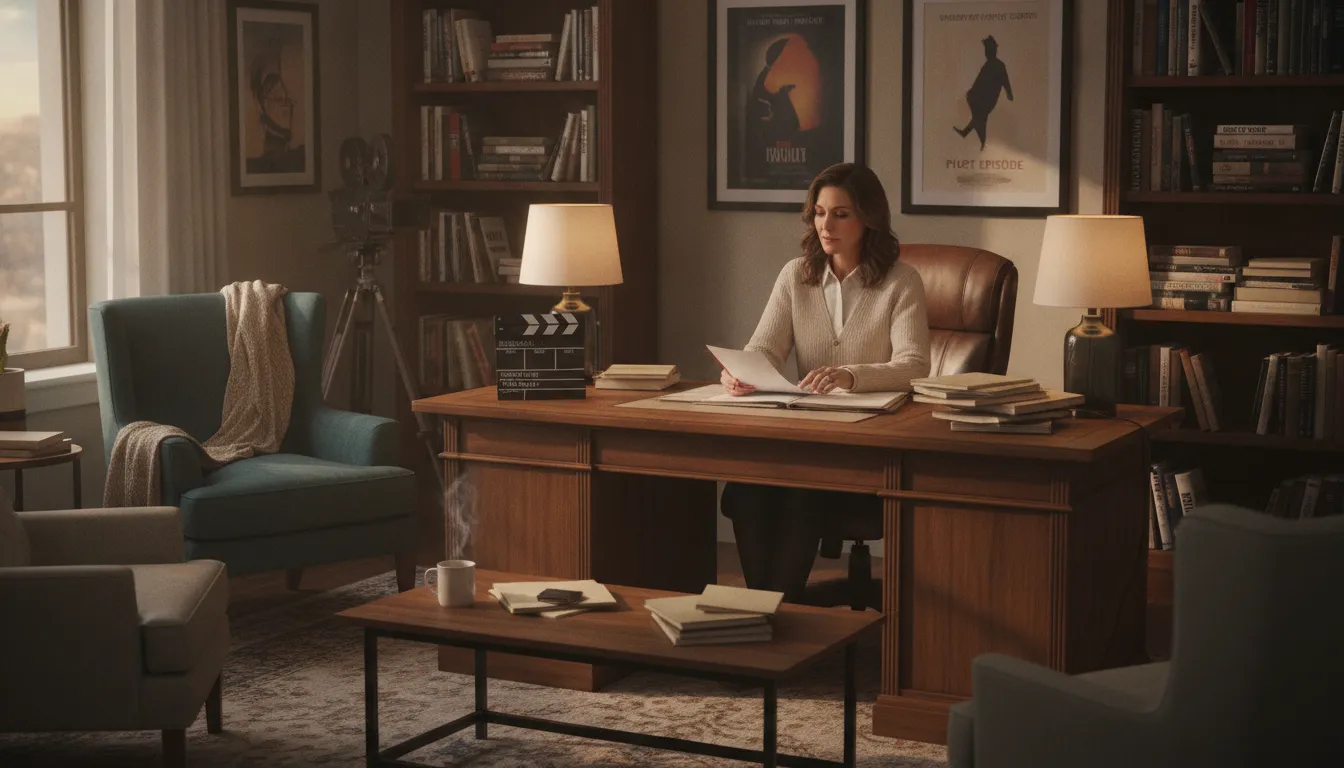
When a film or television show gets therapy right, it sticks with you. Audiences immediately spot when a character's breakdown feels staged or a therapist's behavior violates professional rules. Grounding these moments in true psychological science builds deep emotional tension and makes your narrative unforgettable.
Entertainment industry psychological consultation is a professional service where licensed mental health clinicians collaborate with writers, directors, and producers to ensure narrative authenticity. Therapists review scripts, analyze character backstories, and refine dialogue to create accurate depictions of mental health conditions, clinical treatments, and human relationships. By using real psychological principles, these consultants help creators steer clear of harmful stereotypes while keeping their storytelling engaging and realistic. This specialized consultation ensures that portrayal of therapy, trauma, and psychological struggles remains believable to modern audiences who value clinical accuracy.
Ready to bring psychological authenticity to your next project? Call (650) 799-1375 for your complimentary 20-minute phone consultation with Ethel Mostrel, or book your session online.
You can also read our related guide on working with a Psychological Consultant for Film to see how these collaborations work on set. To understand how clinical expertise helps you build deeper narratives, let us explore what entertainment industry psychological consultation entails.
What Is Entertainment Industry Psychological Consultation?
At its core, entertainment industry psychological consultation is a creative partnership that bridges the gap between deep clinical science and compelling storytelling. Unlike standard therapy or clinical treatment, this service is not designed to heal or counsel people. Instead, it serves as a specialized consulting service where screenwriters, directors. And producers collaborate with a licensed therapist to craft characters and narrative arcs that resonate with deep psychological truth. It is a professional relationship that respects the creative process while keeping stories grounded in human reality.
A Range of Creative Services
The scope of this specialized consulting service spans from quick story checks to deep, ongoing creative guidance throughout a project. Filmmakers use this support to ensure that mental health diagnoses, relationship conflicts, and emotional patterns are portrayed with accuracy. This work includes script review, character development, and plotline refinement to remove flat cliches. Under the leadership of licensed therapist Ethel Mostrel at The Relationship Clinic, screenwriters can explore the hidden motives, coping mechanisms, and relational struggles that drive their characters. The guiding philosophy is simple and direct: Get your characters right, get your story right.
Script Review and Backstory Design
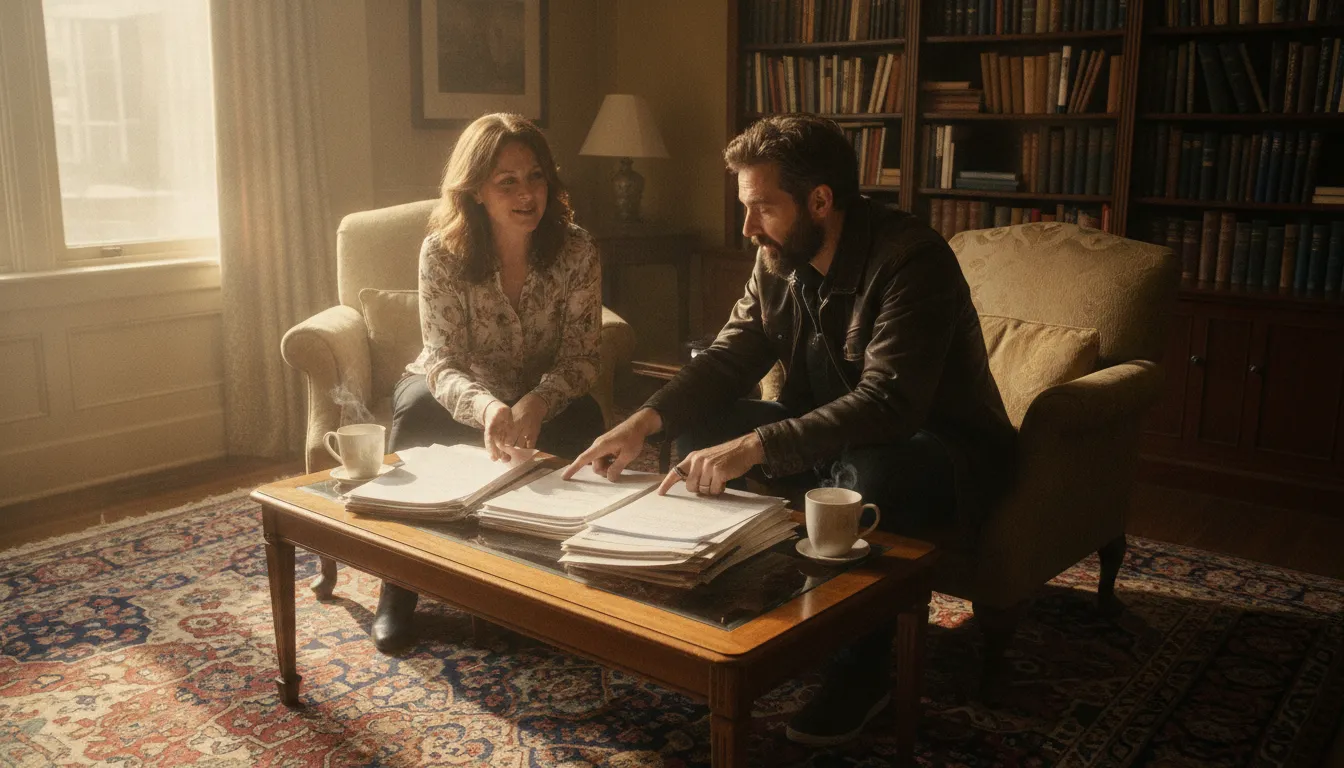
During a script review, a licensed therapist analyzes the dialogue, behavior, and choices of the characters to find areas that need psychological depth. If a character suffers from a mental health condition or a personality disorder. The consultant helps the writer show the subtle daily realities of that struggle rather than relying on lazy stereotypes. By designing a coherent backstory that explains how past trauma or relationships shape current actions, the narrative gains immediate emotional weight. This process ensures that every reaction feels earned and every relational conflict remains true to life.
Depiction of Therapy and Risk Assessment
When a story shows counseling sessions or professional clinical encounters, a psychological consultant guides the scene to ensure the therapist-client dynamic looks realistic. This includes looking at clinical boundaries, the physical setup of an office, and authentic therapeutic dialogue. Additionally, the service covers reality television casting risk assessment. For unscripted and reality shows, this work helps production teams evaluate potential risks and understand psychological dynamics before filming begins. This active collaboration protects the narrative integrity of the project and respects the human elements of storytelling.
Why Authentic Mental Health Portrayals Matter in Film and Television
When a film or television show gets therapy right, it sticks with you. On the other hand, lazy stereotypes do real harm to the public. For many years, screens have shown people with mental health issues as either dangerous, comical, or broken. These simple tropes do not reflect clinical reality. Audiences today are highly media literate and seek depth. They expect accurate stories that treat complex human struggles with respect. Achieving this standard requires deep knowledge of psychology, which is why entertainment industry psychological consultation has become so critical for modern creative teams.
The Real Power of the Screen
Media has a massive impact on how people view mental health conditions. When a show depicts a condition, it shapes how millions of viewers understand that struggle in real life. If a movie connects mental illness to violence or erratic behavior, it builds fear. If it treats counseling as a joke, it devalues treatment. Accurate stories can educate, build empathy, and help viewers feel seen. By showing real struggles and real therapeutic steps, writers can change how the world views mental health.
The Deep Damage of Harmful Tropes
Harmful stereotypes on screen have severe consequences in the real world. Stigma remains a massive barrier for those who need help. When stories repeat false cliches, they keep this stigma alive. This can cause people to feel shame and delay seeking treatment. In fact, research in JAMA Network Open found that certain media portrayals of mental illness can increase public prejudice toward those with psychiatric conditions. Delaying treatment only makes struggles worse. Storytellers must understand that their choices can directly affect whether a viewer feels safe enough to reach out for therapy. For more on how relational patterns intersect with mental health, see our guide on affair recovery and its nuanced portrayal in narrative context.
The Growing Demand for Clinical Truth
Modern audiences want to see the truth. They notice when a character's diagnosis feels like a cheap plot device instead of a real human experience. Viewers want to understand the actual nuances of healing and therapy. They respect projects that show the hard, slow, and rewarding path of personal growth. To meet this demand, creative teams must move past easy cliches. Working with a licensed therapist allows writers to ground their work in clinical facts while keeping the story compelling.
How Professional Consultation Guides Creators
Professional entertainment industry psychological consultation helps creators bridge the gap between fiction and clinical reality. A licensed consultant does not limit creativity, but instead enriches it. By reviewing scripts and developing detailed character backstories, a therapist helps writers find the deep truth in their stories. This process ensures that representations of therapy, relationships, and diagnoses are accurate. Creative teams can then focus on their art, confident that they are building authentic, respectful, and powerful stories that do no harm.
| Common Hollywood Trope | Psychological Reality | Consultant-Guided Approach |
|---|---|---|
| Instant breakthrough in a single therapy session | Meaningful therapeutic change unfolds over multiple sessions | Show gradual progress with realistic setbacks and small wins |
| Mental illness equated with violence or danger | Most people with mental health conditions are not violent | Portray the full spectrum of human experience beyond diagnosis |
| The therapist as a quirky side character | Therapy involves structured, evidence-based professional work | Depict clinical boundaries, ethical standards, and real modalities |
| Trauma shown only through dramatic flashbacks | Trauma manifests in subtle, varied ways across daily life | Use avoidance, hypervigilance, and relational patterns authentically |
What Sets The Relationship Clinic Apart
Selecting the right partner for entertainment industry psychological consultation requires finding an expert who understands both clinical science and the creative arts. Ethel Mostrel, founder of The Relationship Clinic, brings a distinctive set of skills to this unique work. She does not just consult from an academic viewpoint. Instead, she draws on decades of active, hands-on work with real people navigating real life challenges.
Decades of Clinical Practice and True Expertise
Many media advisors offer guidance based only on textbook knowledge. Ethel Mostrel brings over 35 years of licensed clinical experience as a marriage and family therapist. Her deep clinical background means she understands the real patterns of human behavior, conflict, and healing. This practical work ensures your script or character backstories reflect the deep truth of the therapeutic process.
Her academic foundations are equally solid. She holds dual Master's degrees in Clinical Psychology. She earned her first degree from The New School in New York and her second from the California Graduate Institute. In addition to her extensive studies, she is the author of "Relationships Cracking The Code", a practical guide to building healthy emotional connections. Her deep training includes being a Gottman trained clinician, which gives her science-backed tools to analyze relationship dynamics with precision.
A Creative Mind with Global Reach
Ethel Mostrel has a strong, lifelong connection to the arts. This personal passion helps her collaborate with writers, directors, and producers on a creative level. She understands the unique pressure, pacing, and flow of storytelling. Rather than slowing down your creative process, she works as a collaborative partner to find authentic solutions that serve your narrative goals.
Her background is also highly international and multilingual. She is fluent in English, Portuguese, Spanish, and French. This global perspective is invaluable for stories set in diverse cultures or for projects with international characters. Whether you need to refine a scene in a specific cultural context or develop a multilingual protagonist, her diverse background helps ensure your portrayal is accurate and respectful.
Silicon Valley Roots Serving the Creative Corridor
Based in Palo Alto, California, The Relationship Clinic sits in the heart of the Silicon Valley and San Francisco Bay Area. This strategic location allows Ethel Mostrel to serve the active creative corridor stretching down to Southern California. She offers both in-person meetings and secure teletherapy consultations across the state. This makes it simple to integrate her clinical expertise into your production workflow.
When you seek entertainment industry psychological consultation, you are not just hiring an advisor. You are bringing a highly trained clinician into your creative circle. Her goal is to help you get your characters right and get your story right. To learn more about her clinical background and approach, you can read about Ethel Mostrel on our practice website. For context on how clinical perspectives apply to relationship dynamics, explore our discernment counseling approach.
How the Consultation Process Works
Bringing clinical depth to a creative project does not have to be difficult or slow. Ethel Mostrel uses a clear, step-by-step approach that fits easily into your production timeline. The goal is to make sure your script and characters are accurate while fully respecting your creative choices. Whether you are a writer, director, or producer, this collaborative path helps you build believable stories with confidence.
Your Step-by-Step Partnership
- Initial Consultation: We begin with a complimentary 20-minute phone call to discuss your creative project. You will share your main ideas, the key themes, and any areas where you need expert guidance.
- Scope and Plan: Next, we define the scope of work to fit your budget. We can do a quick script check of a single scene, or we can set up an ongoing partnership for an entire series.
- Script and Character Review: You send your scripts, character sheets, or outlines. Ethel Mostrel reads them closely to find any clinical errors or opportunities for deeper drama.
- Collaborative Feedback: We meet to share detailed notes and ideas. This is a creative conversation where we discuss the psychological facts and work together to find the best solutions.
- Ongoing Support: As your story grows and changes during production, we remain available. We can review quick script edits or check new character paths to keep your work authentic.
Flexible and Creative Guidance
This process is highly flexible and tailored to your specific needs. Some creators only need a single session to check a diagnosis or review a scene with couples therapy elements. Others prefer to have a therapist on call throughout the entire writing phase. No matter the scale, our practical approach ensures you get the exact help you need.
Our work is always collaborative, not prescriptive. We never tell you how to write your story or limit your creative vision. Instead, we give you the psychological facts and tools to make your ideas even stronger. By using our professional entertainment industry psychological consultation services, you can ensure your characters make sense, act with real motives, and connect deeply with your audience.

Common Scenarios That Benefit From Psychological Consultation
Creating compelling stories for film, television, and theater requires a deep understanding of human behavior. When scripts touch on mental health, relationships, or complex minds, the difference between a cliche and a masterpiece often comes down to clinical accuracy. Using professional entertainment industry psychological consultation helps writers and directors navigate these sensitive topics with nuance. Here are the most common creative scenarios where a clinical expert adds vital depth and realism to a project.
Building Complex Character Backstories and Arcs
Writers often want to create a protagonist with a deeply layered psychological profile. But without expert guidance, these characters can end up behaving in ways that do not align with their past or their specific mental health struggles. A consultant helps you map out a character's history. They trace how childhood experiences or past events shape their actions in the present. This ensures that the character's narrative arc remains consistent across a feature film or an entire series. By grounding character development in real clinical science, you avoid flat archetypes and build characters who feel like real, breathing people. For a deeper understanding of how past experiences shape present behavior, explore our individual therapy framework.
Depicting Accurate Therapy Sessions and Dynamics
Hollywood has a long history of showing therapy in ways that make actual therapists cringe. From boundary violations to unrealistic breakthroughs in a single fifty-minute session, these screen depictions often miss the mark. A consultant works with you to write scenes that reflect what therapy actually looks like. They guide you on the physical setup of a clinic, the subtle body language between client and therapist, and the specific therapeutic techniques used in modern practice. This collaborative process ensures your scenes maintain dramatic tension while staying true to professional standards and relationship dynamics.
Portraying Trauma and PTSD Responsibly
Showing trauma on screen is a delicate task that carries high narrative and social stakes. Many scripts rely on sensational flashbacks or sudden, violent outbursts to depict Post-Traumatic Stress Disorder (PTSD). A clinical consultant helps you move beyond these common tropes. They explain the wide range of PTSD symptoms, such as avoidance, numbing, and hyper-vigilance, and show how these manifest in daily life. This guidance allows you to portray a character's struggle with trauma in a way that is respectful, responsible, and deeply moving, without resorting to exploitation or melodrama.
Refining Dialogue and Specific Diagnoses
When a character has a specific clinical diagnosis, using the right language is essential. Whether a plot involves depression, bipolar disorder, or personality disorders, a consultant helps refine your dialogue to match genuine clinical speech. They also work with your creative team to ensure the diagnosis goes beyond simple stereotypes. Instead of defining a character solely by their illness, a consultant shows how the condition interacts with their unique personality, goals, and personal relationships. This results in a much richer portrayal that respects the complexity of mental health issues.
Assessing Psychological Risk in Reality Television Casting
For unscripted television and reality formats, psychological consultation is a key part of the production pipeline. Reality shows place ordinary people in high-stress, artificial environments. A consultant helps production companies by evaluating potential cast members during the casting process. They assess psychological readiness, identify potential risk factors, and provide guidance on how to support participants during and after filming. This service protects the well-being of the cast while helping producers manage risk and maintain a safe, ethical production environment.
Frequently Asked Questions
What is entertainment industry psychological consultation?
This service connects writers, directors, and producers with licensed therapists. At The Relationship Clinic, our expert consultants analyze scripts, shape character backstories, and review therapy scenes. This process ensures your creative projects depict mental health issues, therapy methods, and human behavior with clinical accuracy and realism.
How does a therapist help with character development?
A therapist helps you build complex, believable characters by mapping their psychological history. We look at past trauma, family dynamics, and coping styles to explain why a character acts the way they do. This clinical depth helps creators avoid flat stereotypes and write realistic personal growth paths.
Can a therapist assist during film production or casting?
Yes. Licensed consultants can guide directors on set to make therapy scenes feel authentic. We also help production teams assess psychological safety during casting for reality television shows. This ongoing support helps you manage emotional risks while keeping the narrative as close to real life as possible.
Are my creative ideas and script details kept private?
Yes. Privacy is a core rule of clinical practice and consulting work. We protect your scripts, plot points, and character ideas with strict confidentiality standards. Entertainment professionals can share their creative drafts and discuss sensitive themes in a secure, clinical setting with complete peace of mind.
Ready to schedule your complimentary 20-minute phone consultation?
Delaying professional guidance can leave your creative project with flat character development, unrealistic therapy scenes, and major narrative gaps. Working with an experienced, licensed therapist early in your scriptwriting process saves valuable production time and guarantees genuine psychological depth. By addressing these challenges now, you protect your creative vision and ensure your story connects with audiences on a deeper emotional level. Call (650) 799-1375 today or book your session to begin your journey toward authentic storytelling.





