

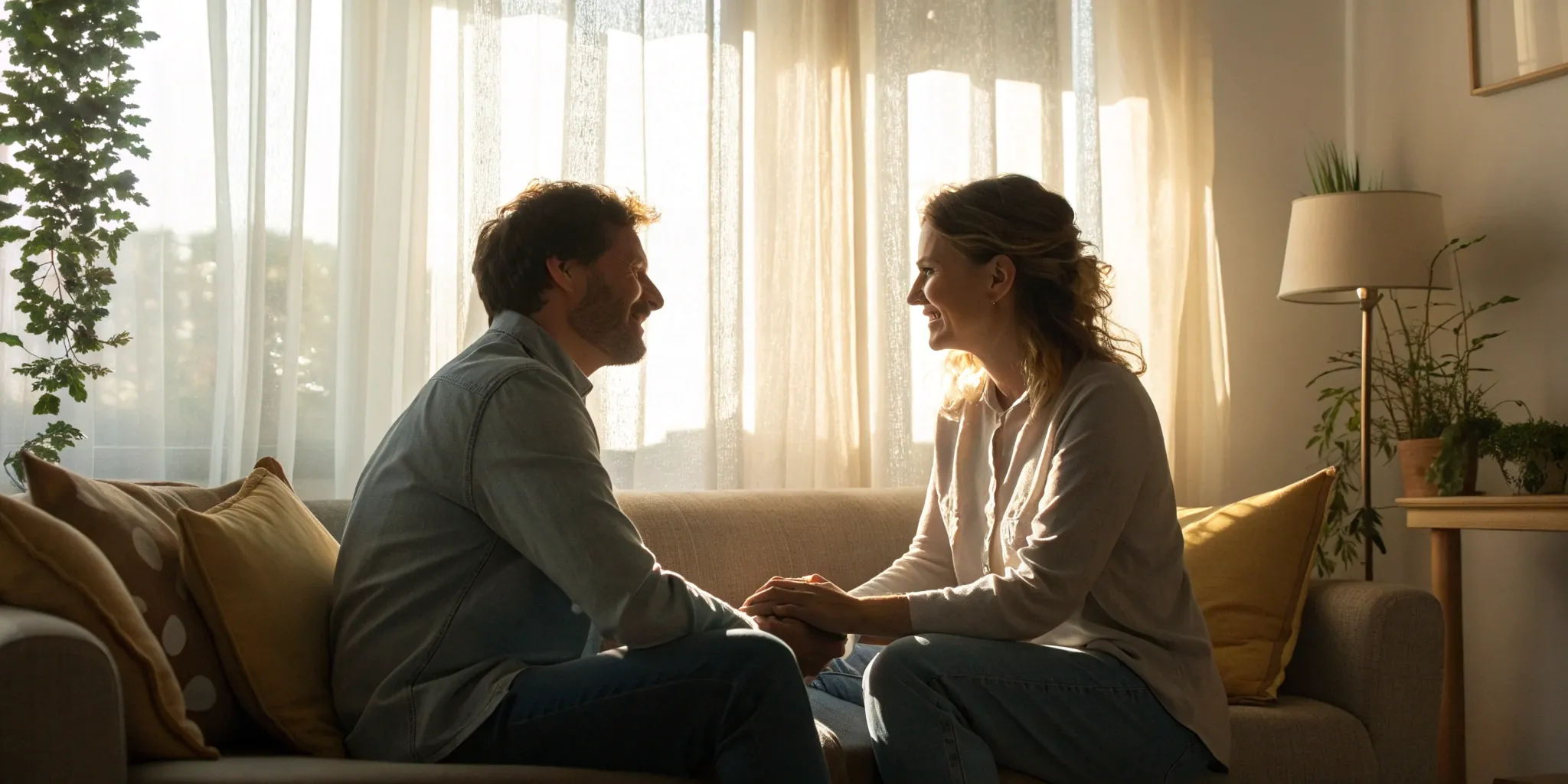
Let’s clear the air on a common misconception: therapy is not just for couples in crisis. Thinking you don’t need counseling because you’re happy is like saying you don’t need to go to the gym because you’re healthy. Pre wedding couples counseling is preventative care for your relationship. It’s a proactive choice made by smart, committed partners who want to build an even stronger future. This is your opportunity to get ahead of potential issues by learning how to handle conflict constructively and communicate effectively. It’s about building a resilient foundation from a place of strength, ensuring your partnership is prepared for whatever comes next.
Key Takeaways
- Think of counseling as preventative care for your relationship: It’s not about fixing existing problems but about proactively building a strong foundation for your marriage and learning to work as a team from the very beginning.
- You’ll learn practical skills for a lifetime partnership: Sessions focus on equipping you with tangible tools for better communication, conflict resolution, and aligning on major life topics like finances, intimacy, and family.
- Finding the right therapist at the right time is key: Aim to begin counseling six to nine months before your wedding and take the time to find a licensed professional you both connect with to get the most out of the experience.
What Is Pre-Wedding Couples Counseling?
Think of pre-wedding counseling as a way to create a strong blueprint for your marriage. It’s a dedicated space for you and your partner to talk through important topics, learn new skills, and build a solid foundation before you say, “I do.” This isn't about fixing something that's broken; it's about strengthening what you already have and preparing for the future together. Many couples get so caught up in planning the wedding that they forget to plan for the marriage itself. This type of counseling carves out intentional time to focus on the relationship that will last long after the big day is over.
By discussing your hopes, expectations, and potential challenges with a neutral third party, you give your relationship the care and attention it deserves as you step into this new chapter. It’s a proactive choice to invest in your shared future, ensuring you both feel seen, heard, and ready for a lifelong partnership. You’ll gain a deeper understanding of one another and learn how to work as a team, which is one of the greatest gifts you can give your future selves. It’s about setting your marriage up for success from the very beginning.
The Goal and the Process
The main goal of pre-wedding counseling is to help you and your partner prepare for a healthy, lasting marriage. It’s a special kind of therapy designed to strengthen your bond and identify any underlying issues before they grow into bigger conflicts. During your sessions, a therapist will guide you through conversations about key aspects of life together. You’ll talk about everything from communication styles and conflict resolution to managing finances and family dynamics. The process helps you understand each other on a deeper level and equips you with practical tools to handle the natural ups and downs of a long-term commitment. Our approach to therapy is designed to help you build these essential skills together.
How It Differs from Traditional Couples Therapy
While both types of counseling support relationships, their focus is different. Traditional couples counseling often begins when a couple is facing a specific, existing problem they need help resolving. It’s typically reactive, aimed at repairing a disconnect or healing from a conflict. Pre-wedding counseling, on the other hand, is proactive. It’s about prevention and preparation. You don’t need to have a problem to benefit from it. The idea is to give you the skills and understanding to prevent major issues from developing later on. It’s less about fixing past hurts and more about building a resilient foundation for the years ahead.
Why Should You Consider Pre-Wedding Counseling?
Planning a wedding is an exciting whirlwind of guest lists, venues, and cake tastings. It’s all about preparing for one incredible day. But what about preparing for the lifetime that comes after? That’s where pre-wedding counseling comes in. It’s a dedicated space for you and your partner to pause the wedding prep and focus on the most important part of your marriage: your relationship. Think of it not as a sign of trouble, but as a proactive step toward building a resilient, joyful partnership.
This isn't about airing dirty laundry or pointing fingers. It's about creating a strong team dynamic before you officially say, "I do." You'll learn how to communicate more effectively, handle conflicts constructively, and align on your shared vision for the future. It’s an opportunity to explore important topics in a safe, guided environment, ensuring you both start this new chapter feeling connected, understood, and fully prepared for the journey ahead. Investing in your relationship now is one of the most meaningful gifts you can give to your future selves.
Build a Stronger Foundation for Marriage
Every lasting structure needs a solid foundation, and your marriage is no different. Pre-wedding counseling helps you and your partner intentionally build that base. It’s a space to make sure you’re on the same page about the big things—and the little things—that will shape your life together. By exploring your values, expectations, and dreams for the future with a neutral third party, you can identify and reinforce your shared strengths.
This process helps you build a marriage that’s not just about surviving challenges, but about thriving through them. Couples who invest this time before getting married often report higher levels of satisfaction and are better equipped to handle the natural ups and downs of life. At The Relationship Clinic, we help you lay the groundwork for a partnership built on trust, respect, and deep understanding.
Learn Essential Relationship Skills
Even the most in-love couples can benefit from sharpening their relationship skills. Great communication, for example, doesn’t always come naturally, especially when things get stressful. Pre-wedding counseling gives you practical tools to express your wants, needs, and worries clearly and safely. It’s less about fixing existing problems and more about equipping you with the skills to prevent future ones from escalating.
You’ll learn proven techniques for navigating disagreements, making decisions as a team, and keeping your connection strong. It’s like getting a relationship toolkit filled with strategies for everything from managing finances to supporting each other’s personal growth. By practicing these skills now, you can build healthy habits that will serve your marriage for years to come, creating a dynamic where you both feel heard and valued.
Address Common Myths About Counseling
Let’s clear the air on a big misconception: counseling is not just for couples on the brink of a breakup. Thinking you don't "need" it because you're happy is like saying you don't need to go to the gym because you're healthy. Pre-wedding counseling is preventative care for your relationship. It’s a sign of strength and a testament to how much you value your partnership.
This is your chance to discuss important topics—like family dynamics, intimacy, or career goals—before they have the chance to become sources of conflict. It’s a proactive choice to build a strong marriage from the very beginning. Viewing counseling as a tool for growth, rather than a last resort, can completely change the game. If you're ready to invest in your future together, we're here to help you take that first step.
What Topics Will You Cover in Your Sessions?
Think of pre-wedding counseling as a dedicated space to lay the groundwork for your shared future. It’s not about airing grievances or finding faults; it’s about having productive, guided conversations about the topics that truly matter in a lifelong partnership. Many couples find it’s the first time they can openly discuss sensitive subjects without fear of starting a fight. A therapist helps you explore these areas with curiosity and care, ensuring you both feel heard and understood.
You’ll find that your sessions are tailored to you, but most couples work through a few core themes. These conversations help you align your values, clarify expectations, and build a toolkit of skills you’ll use for years to come. It’s a chance to be proactive, turning potential future conflicts into opportunities for connection right now. By addressing these key areas, you’re not just planning a wedding—you’re intentionally building a marriage meant to last.
Improving Communication and Resolving Conflict
So much of a healthy marriage comes down to how you talk to each other, especially when you disagree. In your sessions, you’ll move beyond surface-level chats to learn how to truly listen and understand your partner’s perspective. We’ll help you identify your communication patterns—the good and the not-so-good—and give you practical tools to express your needs clearly and respectfully. You’ll learn how to handle disagreements constructively, turning arguments into conversations that actually lead to a resolution. These effective communication strategies are about building a foundation of trust and mutual respect, ensuring you can face any challenge as a team.
Planning Your Finances and Future Together
Money can be one of the trickiest subjects for any couple to talk about. Counseling provides a neutral, safe space to get everything out on the table. You can openly discuss your financial histories, spending habits, and attitudes about money without judgment. Together, we’ll help you talk through important questions: How will you manage joint and separate accounts? What are your shared financial goals, like buying a home or saving for the future? This isn’t just about creating a budget; it’s about understanding each other’s values and working together to build a financial future that feels secure and equitable for both of you.
Discussing Intimacy and Physical Connection
Intimacy is a vital part of a thriving partnership, but it’s also a topic that can feel vulnerable or awkward to bring up. Pre-wedding counseling offers a confidential setting to talk about your expectations, desires, and any concerns you might have regarding physical and emotional intimacy. You’ll have a chance to discuss what connection means to each of you and how you can nurture it throughout your marriage. The goal is to foster open dialogue so you can maintain a fulfilling intimate life, adapting together through all of life’s seasons. It’s about ensuring you both feel seen, desired, and emotionally connected on a deeper level.
Managing Family Dynamics and Setting Boundaries
When you get married, you’re not just joining your lives; you’re also merging two families. This can bring a lot of joy, but it can also introduce new complexities. In counseling, you’ll have the space to discuss your family backgrounds and how they’ve shaped your expectations for your own relationship. We’ll help you learn how to operate as a team when it comes to navigating in-laws, holiday plans, and family traditions. A key part of this is learning to set healthy boundaries that protect your relationship. This ensures you can honor your families while always prioritizing your partnership, creating a strong, united front from day one.
What Can You Expect During Counseling?
Stepping into a counselor's office for the first time can feel a little intimidating, but knowing what to expect can make all the difference. Pre-wedding counseling isn't about finding flaws or deciding who's "right" or "wrong" in the relationship. Instead, it's a proactive, collaborative process designed to give you and your partner a dedicated space to build a strong foundation for your future together. Think of it as a series of guided conversations where you learn practical skills and gain deeper insights into each other and your partnership. Your therapist acts as a neutral guide, helping you explore important topics in a structured and supportive way.
The entire process is tailored to you. While some couples may only need a few sessions to fine-tune their communication, others might benefit from a more extended series to work through specific concerns. At The Relationship Clinic, we often see couples for anywhere from a few sessions to a dozen, depending on their unique goals. The ultimate aim is to equip you with the tools you need to handle challenges, communicate effectively, and continue growing together long after you say "I do." It’s an investment in the health of your marriage before it even officially begins, setting you up for a more resilient and connected life together. You can see some of our approaches in our collection of videos on relationship health.
Your First Session and What It Looks Like
Your first session is all about setting the stage. It’s a chance for you, your partner, and your therapist to get to know each other in a relaxed, low-pressure environment. You’ll talk about your relationship history, what brought you to counseling, and what you hope to achieve together. The therapist will likely ask questions to understand your strengths as a couple and identify any areas where you could use some support. This isn't an interrogation; it's a conversation to establish a baseline and create a roadmap for your future sessions. You’ll leave that first meeting with a clearer idea of the process and a sense of what you’ll be working on.
Effective Strategies and Tools You'll Learn
Counseling is more than just talking—it's about learning. You’ll walk away from your sessions with a practical toolkit of strategies to help your relationship thrive. This includes learning how to communicate more clearly, especially when discussing sensitive topics like your needs, fears, and dreams. You'll develop healthy conflict-resolution skills to work through disagreements without causing lasting damage. Together, you’ll also tackle future-focused topics like managing finances, dealing with family expectations, and aligning on your long-term goals. These are the essential skills that help you build a partnership that can withstand life’s inevitable challenges. Our team of therapists is experienced in guiding couples through these exact conversations.
Creating a Safe Space for Difficult Conversations
Some conversations are just plain hard to have. Counseling provides a unique, confidential space where you can finally talk about them without fear of judgment or escalation. Your therapist acts as a neutral facilitator, ensuring both partners feel heard and respected. This safe environment makes it possible to bring up topics you might have avoided, from past hurts to future anxieties. It’s a place to uncover each other’s core values, beliefs, and expectations—the things that truly shape who you are. By having these conversations with a professional guide, you can build a deeper level of understanding and trust that will strengthen your bond for years to come.
How to Choose the Right Pre-Wedding Counselor
Finding the right person to guide you through pre-wedding counseling is just as important as the decision to go. You need a professional who has the right credentials and creates a space where you both feel safe and understood. This person will help you build the toolkit for your marriage, so it’s worth taking time to find a great match. Think of it as your first joint project: choosing a trusted advisor to help you lay the strongest possible foundation.
Key Qualifications and Experience to Look For
When you start your search, look for licensed therapists, such as a Licensed Marriage and Family Therapist (LMFT). These credentials mean they’ve met rigorous educational and training standards. More importantly, find someone with specific experience in premarital counseling. This is a unique form of therapy focused on preparing couples for marriage by strengthening their bond and identifying potential challenges before they grow. A typical program involves a series of sessions where you’ll explore your strengths as a couple and the areas where you can grow. Don't hesitate to ask a potential counselor about their experience.
Understanding Therapeutic Approaches like Gottman and CBT
Different therapists use different methods, and it’s helpful to know what might work for you. For example, the Gottman Method is a popular, research-based approach that teaches practical skills for communication and conflict resolution. Another effective method is Cognitive Behavioral Therapy (CBT), which helps you and your partner identify and change negative thought patterns that affect your relationship. At The Relationship Clinic, we use these and other proven approaches to tailor counseling to your specific needs. Understanding a therapist's approach helps you find someone whose style aligns with your goals.
Finding the Right Fit for Your Relationship
Qualifications and methods are important, but the right fit often comes down to chemistry. Do you and your partner both feel comfortable with this person? Do you feel like they genuinely listen and understand your perspective? Most therapists offer a free consultation call, which is a perfect opportunity to ask questions and get a sense of their personality. Remember, counseling isn't just for couples in crisis; it's a proactive step to build a strong foundation for a lasting partnership. Trust your intuition. The goal is to find a professional you both connect with to prepare for your future together.
When Is the Best Time to Start Counseling?
Timing can make a big difference in how much you get out of pre-wedding counseling. While there’s never a “wrong” time to work on your relationship, there is a sweet spot that allows you to build new habits and have important conversations without the added pressure of last-minute wedding plans. Think of it as giving yourselves the time and space to lay a solid foundation before you start building the house. Whether you're planning far in advance or noticing a few issues you’d like to sort out, here’s how to figure out the best time for you to begin.
Ideal Timing Before Your Wedding Day
For most couples, the ideal window to start pre-wedding counseling is about six to nine months before your wedding day. This timeframe gives you enough runway to learn new communication skills, practice them, and see real change before the stress of final vendor payments and seating charts takes over. Starting during this period helps you turn healthy habits into your new normal. Trying to squeeze counseling into the final month before the wedding often isn't as effective. Your minds are understandably elsewhere, and there isn’t much time to put new tools into practice. If you're in that six-to-nine-month window, now is a great time to reach out to a therapist.
Signs You Could Benefit from Counseling
Some couples find it helpful to start counseling even earlier, especially if specific issues keep coming up. If you find yourselves stuck in the same arguments, if conversations often become hurtful, or if past experiences are affecting your present, it might be a good idea to seek support sooner. Another sign is feeling like the negative moments in your relationship are starting to outweigh the positive ones. Premarital counseling provides a space to talk through major topics like finances, family, and intimacy before they become sources of conflict. Addressing these things proactively helps you build a strong foundation for your marriage and work together as a team from day one.
How Much Does Pre-Wedding Counseling Cost?
Let's talk about one of the most practical questions on your mind: the cost. Planning a wedding involves a lot of budgeting, and it’s smart to understand where pre-wedding counseling fits in. Think of it as one of the most important investments you'll make—not just for the wedding day, but for the lifetime of your marriage. The price can vary based on your location and the therapist's experience, but getting a clear picture of the potential costs helps you plan accordingly and prioritize your relationship's health from the very beginning.
Investing in your relationship before you say "I do" provides a solid foundation for your future together. While it's another line item in your wedding budget, the skills and understanding you gain are invaluable. We'll break down the average costs, what you can expect from session packages, and how to handle insurance and other payment options so you can make an informed decision that works for you and your partner.
Average Pricing and Session Packages
So, what does pre-wedding counseling typically cost? On average, you can expect to pay between $125 to $175 per session. Most couples find that attending five to seven sessions gives them enough time to cover key topics and build new skills. This brings the total investment to somewhere between $625 and $1,225. National averages are similar, with most couples paying around $148 per session.
It's also worth asking potential counselors about package deals. Some therapists offer a set number of sessions for a flat rate, which can sometimes be more affordable than paying session by session. For example, you might find a package of six sessions for $950, which can be a great option to structure your counseling journey and your budget.
Understanding Insurance and Payment Options
One of the biggest questions couples have is whether insurance will cover pre-wedding counseling. The answer is: it depends. While some insurance plans do cover couples therapy, it often requires a specific mental health diagnosis. Pre-wedding counseling is typically seen as a proactive, preventative service, so it may not be covered. However, it is always worth a call to your provider to confirm your benefits.
If you are using insurance, your out-of-pocket cost could be significantly lower. Don't be discouraged if your plan doesn't cover it, though. Many therapists offer other payment options to make counseling more accessible. Ask about sliding scale fees, which are adjusted based on your income. Openly discussing payment options with a potential counselor is a great first step.
How to Get Started with Pre-Wedding Counseling
Deciding to start pre-wedding counseling is a powerful first step toward building a resilient and joyful marriage. It’s a joint decision to invest in your future, giving you a dedicated space to align on your shared life before you say, “I do.” The process begins with finding a therapist you both feel comfortable with and scheduling that initial session. It’s a chance to be proactive about your partnership, creating a strong foundation that will support you through all of life’s chapters. Think of it not as a sign of problems, but as a sign of your commitment to getting it right from the very beginning.
Taking That First Step as a Couple
Let’s clear one thing up: pre-wedding counseling isn’t just for couples on the brink of a crisis. It’s for smart, committed partners who want to build the strongest possible foundation for their marriage. This special type of therapy helps you and your partner explore important topics, from communication styles to financial habits, and address any underlying issues before they grow into bigger problems. The goal is to equip you with the tools for a healthy, lasting partnership. Ideally, you should start your sessions at least six months before your wedding day. This gives you plenty of time to talk through everything without the added stress of last-minute wedding planning. When you're ready, you can reach out to a professional to schedule your first appointment.
The Positive Outcomes You Can Expect
Investing in your relationship before marriage pays off in significant ways. Research shows that couples who participate in pre-wedding counseling have a 30% lower chance of divorce. Beyond the statistics, counseling helps you build a framework for a genuinely happy and successful marriage for the long haul. You’ll learn how to communicate more effectively, resolve conflicts constructively, and deepen your emotional connection. Most couples—between 70% and 90%—report that therapy benefits their relationship. By committing to this process, you’re not just planning a wedding; you’re actively designing a future together, supported by a team of professionals who are dedicated to empowering your relationship.
Frequently Asked Questions
My partner is hesitant about counseling. How can I bring it up? This is a really common concern, and it’s best to approach it with curiosity, not pressure. You could frame it as a positive, team-building activity rather than a sign that something is wrong. Try saying something like, "I was reading about how pre-wedding counseling can give us tools for our future, almost like a class for our marriage. Would you be open to looking into it with me as an investment in our team?" Focusing on strengthening what you already have can make the idea feel much more approachable and collaborative.
What if we don't have any major problems? Is it still worth it? Absolutely. Thinking you don't need counseling because you're happy is like saying you don't need a regular check-up because you feel healthy. Pre-wedding counseling is preventative care for your relationship. It’s a space to build on your strengths and learn skills that will help you handle future challenges you can't yet predict. It’s less about fixing problems and more about creating a strong, resilient partnership from the very beginning.
Will the therapist tell us if we shouldn't get married? A therapist's role is not to make decisions for you or to pass judgment on your relationship. Their job is to act as a neutral guide, helping you have productive conversations and see your dynamic more clearly. They provide tools and facilitate discussions so that you and your partner can gain the insight you need to make your own informed decisions about your future, feeling confident and aligned.
How is this different from just talking to our friends or family for advice? While the support of loved ones is invaluable, they are naturally biased because they care about you. A therapist offers a confidential, impartial perspective. They are professionally trained to help you identify patterns, teach you proven communication strategies, and guide you through sensitive topics without taking sides. This creates a unique space where you can both be completely honest and work toward solutions as a team.
Is what we discuss in our sessions kept private? Yes, confidentiality is a cornerstone of therapy. Everything you and your partner share in your sessions is kept private. This is what creates the safe environment you need to have open and honest conversations about sensitive topics. Your therapist will explain the legal and ethical limits of confidentiality—such as if there is a risk of harm to yourself or others—but for the vast majority of couples, what you say in the room stays in the room.





