

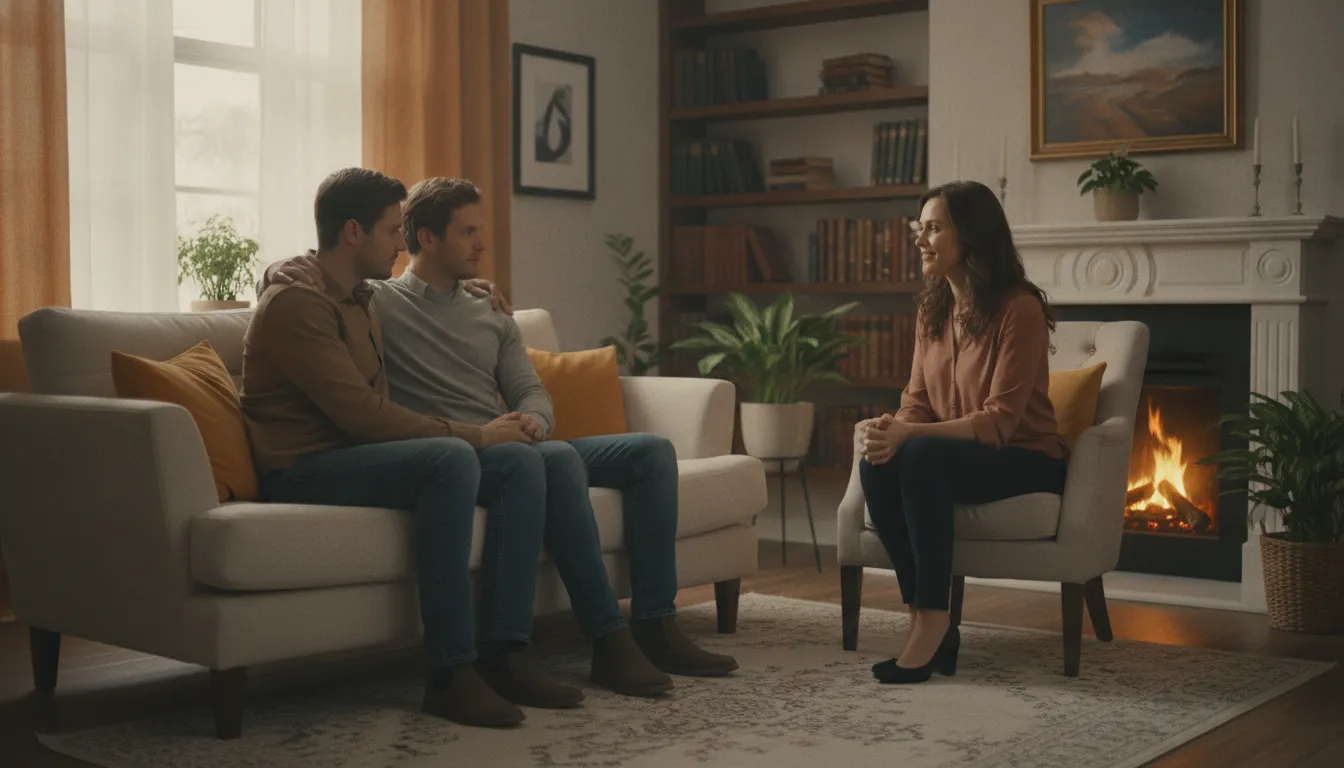
Book Your Session to begin with a complimentary 20-minute phone consultation. Take the first step toward building a marriage on a foundation of clear communication and shared understanding.
Premarital counseling Palo Alto gives engaged couples a proactive setting to strengthen communication, clarify expectations, and address potential points of conflict before they become entrenched. Research associates premarital education with greater marital satisfaction and commitment, less conflict, and lower odds of divorce. The work can include evidence-based approaches such as the Gottman Method, with the number of sessions tailored to each couple's goals and needs.
What Is Premarital Counseling and Why Do Engaged Couples Need It?
Premarital counseling is a proactive, skill-building process that helps engaged couples prepare for the emotional, practical, and relational demands of marriage. Using structured sessions with a trained therapist, couples develop shared language, realistic expectations, and practical tools for navigating differences before they become entrenched patterns.
Premarital counseling is a proactive, skill-building process that helps engaged couples prepare for the emotional, practical, and relational demands of marriage. Rather than waiting for resentment or repeated conflict to take hold. Couples use structured sessions to understand one another more deeply, clarify expectations, and practice how they want to handle difficult conversations.
This approach is different from crisis-oriented counseling. Crisis counseling often begins when partners feel stuck in a recurring pattern, disconnected, or unsure whether the relationship can continue. Premarital work begins before that point. It gives couples space to identify potential pressure points while they can still approach them with curiosity and goodwill. A counselor may help partners discuss communication habits, values, family expectations, finances, intimacy, and long-term goals before these subjects become sources of avoidable tension.
Research supports the value of addressing these issues early. A study indexed by PubMed associated participation in premarital education with greater marital satisfaction and commitment, lower conflict, and reduced odds of divorce. Psychology Today also describes premarital counseling as a preventative approach that strengthens the foundation of a marriage before challenges arise. These findings do not guarantee a particular outcome, but they reinforce the value of learning relationship skills before they are urgently needed.
Building a foundation before problems arise
Effective premarital counseling is not a test that determines whether a couple should marry. It is an opportunity to build shared language and realistic expectations. Partners can learn how each person responds under stress, where their assumptions differ, and how to repair misunderstandings without turning disagreement into disconnection. Skill-building matters because insight becomes more useful when couples practice applying it in real conversations.
Choosing counseling can also communicate something important between partners: a commitment to the relationship's longevity. Making time for this work signals that the future marriage deserves intentional attention, not only attention when something is wrong. As The Relationship Clinic's philosophy puts it, relationships do not just happen. They are built.
For couples seeking a personalized setting, couples therapy at The Relationship Clinic is provided through a boutique, individualized practice led by fully licensed and experienced therapists. Engaged couples can use this setting to strengthen the foundation they are preparing to carry into marriage.
Key Topics Covered in Premarital Counseling Sessions
Premarital counseling covers communication patterns, finances, family boundaries, parenting expectations, intimacy, and long-term goals. A therapist helps partners explore these topics in a structured setting, turning potential pressure points into opportunities for shared understanding and practical agreement.
Premarital counseling gives couples a structured setting to discuss the decisions that will shape their life together. With a neutral guide present, each partner can speak openly, listen more carefully, and notice areas where assumptions or unspoken expectations may create tension later. The goal is not to produce identical opinions. It is to help couples develop a shared understanding and a practical way to handle differences.
Communication, conflict, and emotional patterns
Sessions often begin with how each partner communicates under stress. Couples may explore what helps them feel heard, what causes either person to withdraw, and how disagreements typically escalate. They can also examine attachment styles in relationships to better understand emotional needs, protective reactions, and the ways each partner seeks connection.
Family of origin is part of this work. The patterns a person learned growing up can influence communication habits, emotional triggers, expectations about closeness, and ideas about what conflict means. Exploring these experiences is not about blaming parents or assigning fixed labels. It helps partners recognize inherited patterns and decide intentionally which ones they want to carry forward. For couples who find this area particularly challenging, individual therapy can provide additional support for understanding personal patterns.
Money, family boundaries, and parenting
Financial disagreement is frequently identified as one of the top predictors of divorce, which makes money a necessary topic rather than an uncomfortable interruption. Couples can discuss spending, saving, debt, financial responsibilities, income differences, and the values behind their decisions. A counselor can help them move beyond questions of who is right and toward agreements they can revisit as circumstances change. For a deeper exploration of this topic, see our guide to financial conflict couples therapy.
Premarital sessions may also address boundaries with extended family and in-laws. Couples can clarify expectations about visits, holidays, privacy, caregiving, advice, and how they will respond when family needs compete with their partnership. Establishing these boundaries together supports a sense of unity while still allowing respectful relationships with relatives.
Parenting is another area where early clarity matters. Partners can discuss whether they want children, hopes and concerns about parenting, discipline, division of labor, and the values they want to model. The conversation is not intended to force premature certainty. It creates space to identify meaningful differences before they become urgent decisions.
Values, intimacy, and shared direction
Couples also explore core values and long-term goals, including career priorities, location, faith or spirituality, lifestyle, intimacy, and the meaning of partnership. Everyday routines can leave these deeper questions unaddressed. Counseling creates dedicated time to ask what each person is building and how their individual goals can fit within a shared life.
These discussions are most useful when they include practice, not information alone. Skill-building exercises can help couples rehearse active listening, express needs clearly, negotiate a disagreement, and return to a difficult conversation without abandoning one another. A neutral guide keeps the process focused and helps partners turn insight into repeatable relationship skills.

How the Gottman Method Strengthens Premarital Work
The Gottman Method gives engaged couples a research-backed framework for strengthening friendship, managing conflict, and creating shared meaning. Based on over 40 years of longitudinal research, it provides practical tools for building emotional connection and navigating differences before marriage.
Premarital counseling is most useful when it gives couples more than general advice. The Gottman Method offers a structured, evidence-based way to understand how partners connect, disagree, repair, and make decisions together. At The Relationship Clinic, it is a signature approach for helping engaged couples address potential conflict areas before they become entrenched patterns. Learn more in our comprehensive guide to Gottman Method couples therapy.
Build friendship before focusing only on conflict
The method is grounded in the Sound Relationship House framework, which includes three closely connected areas: building friendship, managing conflict, and creating shared meaning. This matters in premarital work because a strong partnership is not defined only by the absence of arguments. Couples also need a reliable emotional foundation for handling stress, change, and competing demands.
One practical element is the use of Love Maps. Partners learn to stay familiar with each other's internal world, including current pressures, hopes, values, and sources of meaning. That knowledge supports emotional intimacy and helps each person respond to the partner who is present now, rather than relying on assumptions formed earlier in the relationship.
Recognize patterns before they become the relationship's default
Gottman-informed premarital work also helps couples notice how difficult conversations begin to deteriorate. The Four Horsemen are criticism, contempt, defensiveness, and stonewalling. These terms are not labels for a person or a diagnosis. They describe communication patterns that can be recognized, interrupted, and replaced with healthier alternatives.
For example, a complaint about a practical concern can become criticism when it attacks a partner's character. A partner who feels blamed may respond defensively, while the other person withdraws or escalates. Practicing more specific requests, respectful language, accountability, and well-timed pauses gives couples a way to address the underlying issue without reinforcing the cycle.
Apply research to the decisions ahead
The Gottman Method draws on more than 40 years of longitudinal research involving thousands of couples. Its value in premarital counseling is not predicting a couple's future or guaranteeing an outcome. It is providing clinically informed tools for conversations about expectations, emotional connection, conflict, and shared meaning while both partners are motivated to build intentionally. Research on couples therapy success rates supports the effectiveness of approaches like the Gottman Method in helping couples build lasting relationships.
Relationships do not just happen. They are built through attention, practice, and the willingness to understand each other with greater precision.
Building Communication and Conflict Resolution Skills for Life
Premarital counseling helps couples build communication and conflict resolution skills through guided practice. With a therapist's support, partners learn to slow down difficult exchanges, identify emotional patterns, and respond constructively rather than reacting from defensiveness or withdrawal.
Premarital counseling is most valuable when couples practice new ways of relating, rather than simply hearing advice about communication. With a therapist's guidance, partners can slow down a difficult exchange, identify what each person needs, and try a more constructive response while the conversation remains supported.
| Without Premarital Counseling | With Premarital Counseling |
|---|---|
| Differences in communication style are interpreted as rejection, criticism, or a lack of commitment. | Partners learn to recognize differences, such as one person needing time to process while the other prefers immediate discussion. And agree on a respectful way to revisit the issue. |
| A disagreement quickly becomes a debate about who is right, with defensiveness or withdrawal taking over. | Partners practice describing concerns clearly, listening for the underlying need, and taking a regulated pause before returning to the conversation. |
| Past disappointments shape how each new mistake is interpreted. | Couples strengthen positive sentiment override, viewing one another through a lens of friendship and trust even when a mistake occurs. The Gottman Method identifies this positive foundation as part of lasting relationship work. |
| Topics involving money, family, intimacy, or expectations are postponed until tension is already high. | A neutral therapist creates a safe space to raise sensitive subjects, clarify assumptions, and rehearse language that supports honest, respectful discussion. |
Practice creates usable skills
Research on premarital interventions indicates that skill-building exercises are more effective than information-only approaches. In session, couples may role-play a recurring disagreement, reflect on the emotional pattern beneath it, and receive specific coaching on how to respond differently. The goal is not perfect agreement. It is the ability to remain connected while addressing a real difference.
Mindfulness and emotional regulation can help partners notice activation before it dictates their words. A therapist may guide each person in identifying physical signs of escalation. Grounding attention in the present, and choosing a pause that protects the conversation rather than ending it. Over time, these practices give couples a reliable framework for handling conflict as life changes. For couples interested in this approach, mindfulness couples therapy offers additional techniques for staying present during difficult conversations.
How Many Premarital Counseling Sessions Do Couples Need?
Most couples find value in four to eight premarital counseling sessions, though the right number depends on each couple's goals and whether they are working through specific concerns. Sessions are 50 to 60 minutes and may be scheduled weekly or bi-weekly. A complimentary 20-minute phone consultation helps determine what pace fits best.
There is no single schedule that fits every couple. The appropriate number of premarital counseling sessions depends on your goals, the topics you want to address. And whether you are preparing for a specific transition or working through an established pattern of conflict. For many couples, four to eight sessions provide a focused starting point. Some couples choose to continue longer when they want more time to practice new communication skills or explore complex concerns.
What the time commitment looks like
Sessions at The Relationship Clinic generally last 50 to 60 minutes and may be scheduled weekly or bi-weekly. The key logistics include:
- Weekly sessions create steady momentum when your wedding date is approaching or when you have several important topics to discuss.
- Bi-weekly sessions may be a better fit for couples with demanding work or travel schedules, while still providing regular opportunities to reflect and apply what you discuss
- Complimentary 20-minute phone consultation is the first step. This gives you an opportunity to describe what brings you in, ask practical questions. And consider whether the therapist and approach are a good fit before committing to a full session.
If you are concerned about the cost of ongoing therapy, our guide to private pay couples therapy versus insurance options can help you understand the financial picture.
Planning for cost and location
- Cost: Couples therapy is $250 per session, and insurance is not accepted for couples therapy. A four-session starting plan would therefore represent $1,000, while eight sessions would represent $2,000. Your therapist can help you determine a reasonable pace rather than assuming you need an open-ended course of treatment.
- Location: In-person sessions are available in Palo Alto. Telehealth therapy is available throughout California, which can make consistent scheduling easier for couples who live outside Palo Alto or whose work obligations make travel difficult.
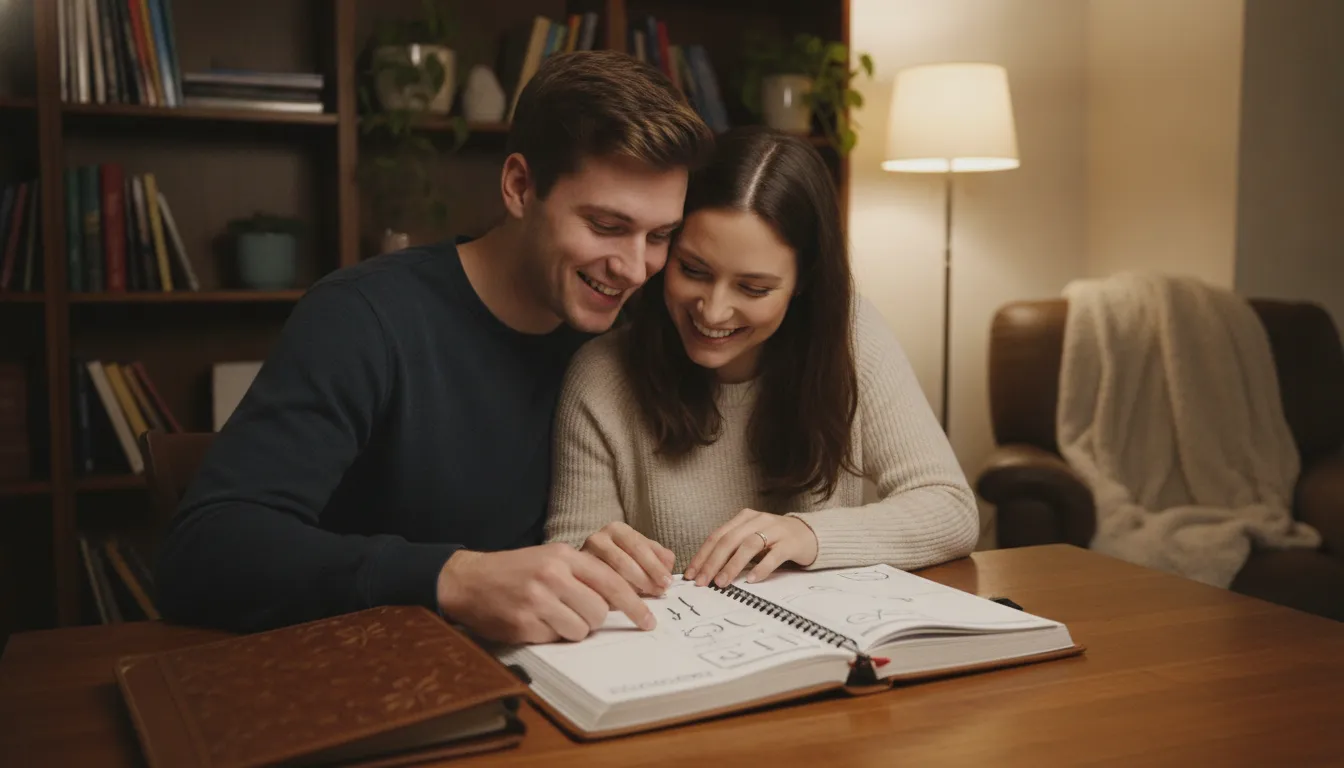
Why Couples Choose Premarital Counseling Palo Alto Before Marriage
Palo Alto couples choose premarital counseling to discuss the financial, career, family, and lifestyle decisions that arise alongside demanding professional lives. It is a practical investment in building a shared future and a proactive way to prevent common sources of marital distress.
For many couples in Palo Alto, engagement unfolds alongside demanding careers, ambitious projects, and significant decisions about where and how to build a life together. Premarital counseling creates a deliberate setting to discuss those decisions before wedding planning, work pressure, or family expectations make them harder to address. It is not a sign that a relationship is failing. It is a practical investment in the relationship you are building.
Research supports the value of this proactive approach. A study indexed by the National Library of Medicine found that the benefits of premarital education were consistent across race, income, and education levels. A separate study published through PMC examined premarital education and quality of life, supporting the use of structured preparation before marriage. These findings do not promise a particular outcome for every couple. They do show why learning communication and problem-solving skills early can be valuable.
A proactive approach for high-achieving couples
Silicon Valley couples often know how to solve complex professional problems, yet relationship decisions require a different kind of attention. Partners may need to align on finances, career changes, relocation, parenting, extended-family boundaries, privacy, and the pace of daily life. When schedules are full, these conversations can become brief logistical exchanges rather than deeper discussions about values and expectations.
Premarital counseling slows the process down without asking couples to put their lives on hold. A therapist can help partners listen for the meaning beneath a disagreement, identify patterns that could create friction, and practice addressing sensitive subjects with greater clarity. The goal is not to eliminate every difference. It is to help couples develop a shared way to navigate differences as they arise. For couples managing intense professional lives, we offer specialized therapy for high-achieving couples in Silicon Valley.
Personalized preparation in Palo Alto
The Relationship Clinic brings 35 years of Bay Area relationship expertise to individualized therapy for couples. Its guiding philosophy is simple: "Relationships don't just happen. They are built." For couples who want support that respects their goals, schedule, and privacy, Palo Alto couples therapy can provide a useful bridge between professional demands and relationship intentions.
Couples therapy is $250 per session, and insurance is not accepted for couples therapy. A complimentary 20-minute phone consultation offers an opportunity to discuss whether premarital counseling is a suitable next step before scheduling ongoing sessions.
Frequently Asked Questions
Is premarital counseling only for couples experiencing serious problems?
No. Premarital counseling is a proactive way to strengthen a relationship before predictable stressors become entrenched problems. Engaged couples can use sessions to clarify expectations, practice communication skills, and build a shared foundation for marriage. Seeking counseling can also reflect a deliberate commitment to the relationship's future.
What topics do couples discuss in premarital counseling?
Common topics include communication patterns, finances, family-of-origin influences, parenting expectations, intimacy, boundaries with extended family, and long-term values. The goal is not to force agreement on every issue. It is to help partners understand their differences, make informed decisions, and create workable agreements before those differences become recurring sources of conflict.
How does the Gottman Method apply to premarital counseling?
The Gottman Method helps couples strengthen friendship, manage conflict, and create shared meaning. Exercises may increase knowledge of each partner's inner world, identify destructive patterns such as criticism or defensiveness, and replace them with more constructive responses. This approach supports practical skill-building rather than relying on information alone.
How many premarital counseling sessions do engaged couples need?
There is no universal number. Many couples find value in approximately four to eight sessions, while others continue longer when they want to address complex concerns or reinforce new skills. Sessions are generally 50 to 60 minutes and may occur weekly or every other week. A complimentary 20-minute phone consultation is a useful first step for discussing your goals and determining an appropriate pace.
Is premarital counseling covered by insurance?
Couples therapy at The Relationship Clinic is $250 per session and does not accept insurance. Individual therapy may use accepted insurance excluding Kaiser Permanente. For couples exploring their financial options, a complimentary phone consultation can help clarify the investment and explore what approach fits your situation.
Book Your Session
Premarital counseling gives you and your partner dedicated space to discuss expectations, strengthen communication, and build a thoughtful foundation for marriage. If you are ready to make this relationship investment together, book your session and begin with a complimentary 20-minute phone consultation to discuss whether premarital counseling is the right next step for you.





