

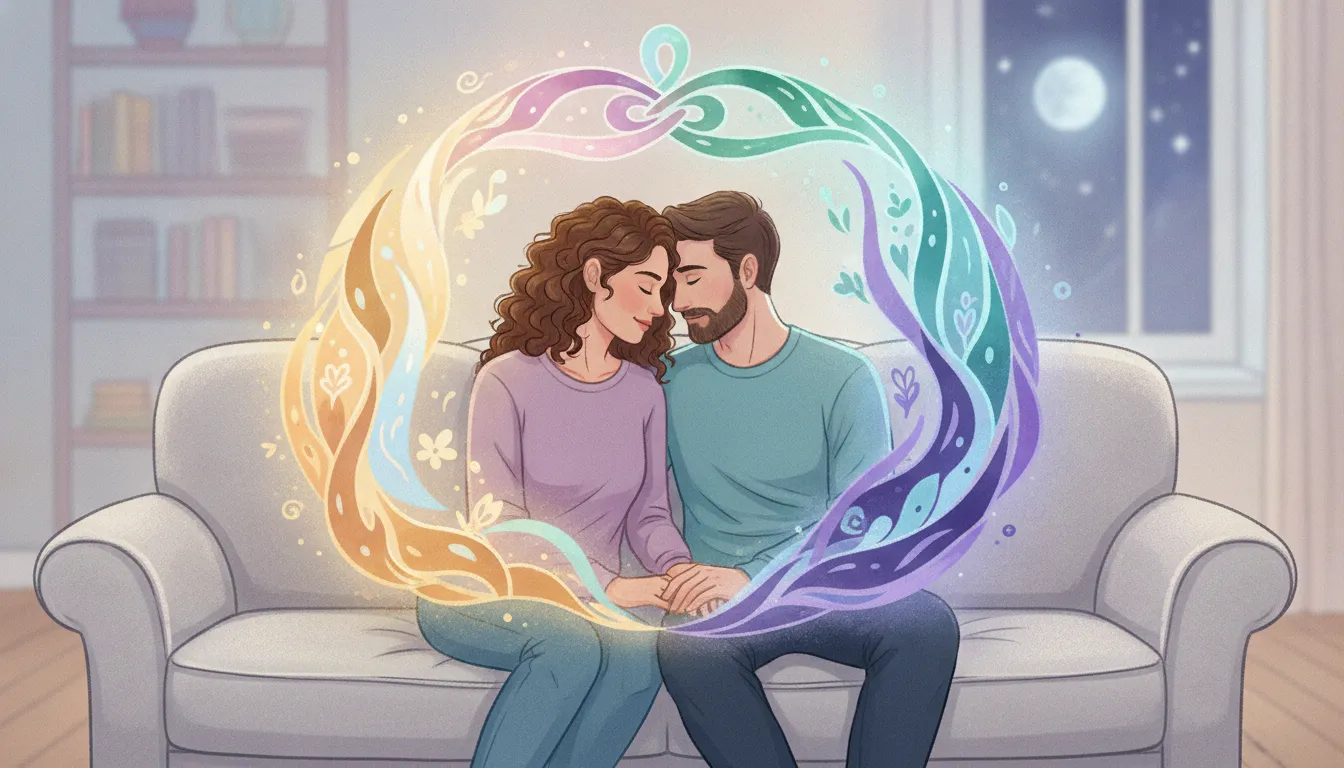
At The Relationship Clinic, our relationship Experts Gottman trained in advanced Couples Therapy help partners identify and navigate intense relationship triggers. These instinctive emotional responses often stem from past vulnerabilities seeking safety, and understanding them is the first step toward lasting healing.
Relationship triggers are intense feeling reactions to a partner's words or actions that often signal a hidden mental wound. According to research from the National Institutes of Health, family systems and internal parts play a huge role in how we react to others. In Internal Family Systems (IFS) therapy, these parts carry weight from past events that remain with you. When a trigger happens, your protective parts may react with anger or silence to keep you safe from feeling open. By learning to find these triggers, couples can move from quick conflict to calm interest. This work allows partners to heal old wounds together through our Palo Alto office or telehealth across California instead of letting past pain rule their relationship.
Moving past these moments requires a look at your feeling responses so you can see how your mind reacts to stress. We will start by examining What Are Relationship Triggers and Why Do They Happen? to help you find clarity.
What Are Relationship Triggers and Why Do They Happen?
A relationship trigger is a sudden, strong emotional reaction to something your partner says or does. You might feel a flash of heat, a knot in your stomach, or a sharp urge to defend yourself. While these moments feel like a modern conflict, they often link back to deep needs for safety and care. When you work on understanding relationship triggers, you can start to see them as data points rather than bad events.
A signal for unmet needs
In Internal Family Systems (IFS) therapy, we view these reactions as signals from our internal system. They are not failures of your character or your bond. Instead, they show that a core need for safety or connection is not being met. These triggers are like alarms that tell you a part of you feels unsafe or unheard in the moment. According to research on improving system functioning, focusing on these patterns can help reduce distress between partners.
Think of a trigger as a protective part of your mind that is trying to keep you safe from pain. If you felt left out as a child, a partner checking their phone might spark a deep sense of loss. This reaction happens because your brain sees a threat to your bond. By identifying personal triggers, you can learn to respond with curiosity. This helps you stop reacting with anger or pulling away from your partner.
The source of reactive behaviors
Triggers often stem from a sense of threat to your safety or your freedom. When these core values feel at risk, the mind and body shift into a reactive state. This shift can lead to common acts like raising your voice or shutting down. Many couples find that they struggle with broad themes in their bond, such as the balance of being close and being independent. When one partner needs more space, it can trigger a fear of loss in the other.
These strong feelings often come from "exiled" parts of ourselves that hold onto old wounds. When a new event reminds you of a past hurt, a "protective" part of you jumps in to shield you. This process is why a small word can lead to a big fight. Understanding this internal map helps you see that your partner is not the foe. Instead, you are both managing parts of the self that are trying to stay safe while you build a life together.
Why awareness matters for couples
Gaining awareness of your triggers is the first step toward change. It lets you pause before you act on a strong urge. When you know what sets you off, you can state your needs more clearly. This shift moves the focus from what your partner did "wrong" to what you need to feel safe once more. Over time, this builds a stronger base for your bond. You learn to handle conflict with more grace and less shame.
When triggers are ignored, they can create a loop where both partners feel on guard. This cycle makes it hard to feel the closeness and joy that brought you together. By looking at these moments as signals, you open the door to real healing. You can move from a state of defense to a state of connection. This is where real growth happens and where you can build a bond that lasts.
Common Relationship Triggers: Understanding Attachment Fears
A relationship trigger is often more than a reaction to a partner's words. It is usually a signal from a part of you that feels unsafe. Most relationship triggers are deeply rooted in early life. These moments can lead to big emotional shifts that feel hard to control. By finding these patterns, you can start to move toward a more secure connection.
The Impact of Rejection and Abandonment
For many people, the fear of being left is the most powerful trigger. This often comes from childhood days where a caregiver was not always there or was not able to help. In an adult bond, a small act like a slow text reply can feel like a major threat. This perceived rejection or abandonment can activate deep fears from the past. When this happens, a protective part of you might take over to stop the pain before it starts.
Research shows that couples often struggle with themes of how much space they need versus how much closeness they want. This tension between interdependence and independence can lead to ongoing distress if it is not addressed. At The Relationship Clinic, our team has over 35 years of clinical experience helping people navigate these complex fears. We offer a safe space to explore understanding relationship triggers through evidence-based therapy.
Feeling Too Much or Not Enough
Another common trigger involves your sense of self worth within a bond. Many people carry a heavy sense of feeling like they are either too loud and needy or simply not good enough. This feeling of being too much or not enough usually starts in childhood. It may come from a home where your needs were seen as a burden or where you were ignored. When a partner seems distant or critical, these old wounds can open back up and cause a reactive cycle.
To break these cycles, it helps to view these reactions as interactional patterns that can be changed. Focused work can help improve how a whole system functions and reduce relationship distress. Learning to spot these fears as they arise allows you to choose a new response. Relationships don't just happen. They are built through this kind of work. You can begin this process with a complimentary 20-minute phone consultation to see how we can help.
The Somatic Side: Recognizing Your Body's Early Warning Signs
When you are in a hard talk with your partner, your body often knows you are upset before your mind does. This is because relationship triggers act like a silent alarm. They tell your nervous system that you do not feel safe or close to the person you love. By the time you say words you regret, your body has likely sent you signals for a few minutes. Learning to find these early signs is a key step in keeping your bond strong.
Why Your Body Feels It First
Your brain is built to keep you safe. When it sees a threat, like a harsh word or a cold look, it starts a fast move. This is the fight, flight, or freeze response. It happens in the deep parts of the brain that deal with moods, not logic. You feel it in your chest or gut before you can think about why you are hurt. Spotting broad themes of distress, like a lack of trust, can help you see why these fast moods start. Studies on Integrative Behavioral Couple Therapy show how these themes shape our reactions.
To stop a fight before it gets bad, you must catch these signs early. If you wait until you are yelling or shutting down, it is hard to calm back down. Experts teach that identifying personal triggers starts with a focus on your own body. When you feel a shift in your mood, take a second to scan how you feel from head to toe. This small act of checking in can stop a big fight later on.
Common Body Warning Signs
Each person feels their moods in a unique way, but most people share some common signs. You might feel your heart start to beat fast or your breath get short. Some people feel a tight knot in their gut or a lump in their throat. Others may find their face getting hot or their jaw getting tight. These are all signs that a part of you is trying to keep you safe from pain. These signs are not failures. They are helpful signals that a need for safety is not being met.
- Muscle tension in the neck, back, or shoulders.
- A sudden feeling of being hot or starting to sweat.
- A heavy feeling in the chest or heart area.
- Clenched fists or a need to move around the room.
Using the Pause to Protect Your Love
Once you find a body sign, the best thing you can do is pause. A pause gives your brain a chance to catch up with your body. If you feel your heart rate go up, it is often best to stop the talk for a short time. Research shows that a 20-minute cooling-off period is enough for most people to settle back into a calm state. This gap keeps you from saying things that could hurt your trust or lead to more conflict.
Taking this space is a way to take care of both yourself and your partner. It moves the focus from blame to self-care. When you can name the body sign, like saying "I feel my chest getting tight," you can step back from the upset part of yourself. By listening to your body's early warnings, you build a base of respect and safety that helps your bond grow over time.
The Couples Loop: How Protective Parts Interact in Recurrent Conflict
Most couples face times when a small spark turns into a big fire. These cycles are not just bad habits. In Internal Family Systems (IFS) therapy, we see these as reciprocal trigger loops. This means one person's reactive act hits a sore spot in their partner. Then, that partner acts in a way that triggers the first person again. This creates a stuck loop where both people feel hurt and unsafe.
The reciprocal trigger cycle
When you feel a threat to your bond, a protective part of your mind steps in. For one partner, this might look like a part that gets loud or critical to fix the problem. For the other, it might be a part that shuts down to find safety. The loud part triggers the other person's fear of blame. The quiet part triggers the first person's fear of being left. These triggers that lead to conflict keep the cycle going. Reciprocal trigger patterns mean each person's defense makes the other person more defensive.
Breaking the stuck pattern
You can find these stuck patterns by looking at which protective parts lead the way during a fight. One partner might use a "firefighter" part that gets angry to numb old pain. The other might have a "manager" part that tries to control the talk to stay safe. Using IFS work helps you see these parts instead of just seeing a "mean" partner. By naming the parts, you can stop the loop before it grows. This shift helps you move from blame to seeing the system that is at play between you.
Reactive vs. Regulated responses
The table below shows how a triggered part acts compared to a calm, Self-led response. Picking a new path helps lower the heat in the bond.
| Trigger Source | Reactive Response (Part) | Regulated Response (Self) |
|---|---|---|
| Partner shuts down | Getting louder or being critical. | Checking in with your own fear and asking for a pause. |
| Partner raises voice | Defending, blaming, or walking away in anger. | Noticing your own hurt and stating your need for calm. |
| Perceived rejection | Withdrawing or acting out to get a reaction. | Sharing the feeling of hurt with care and a calm mind. |
| Feeling controlled | Ignoring the partner's request or acting out. | Asking about the partner's need for safety or order. |
Changing your response takes work. A 20-minute cooling-off period is a simple way to help your body settle. When you are calm, you can speak from your Self instead of your parts. This helps you both feel heard and stops the cycle of hurt. Breaking the loop lets you build the lasting bond you want.
Internal Family Systems (IFS): Naming Your Managers, Firefighters, and Exiles
If you have ever felt a sudden surge of anger or the urge to pull away during a talk with your partner. You have felt your parts in action. Internal Family Systems (IFS) is a way to understand these shifts. It views the mind as a system of parts, each with its own role. When relationship triggers occur, different parts of you step in to help. By naming these parts, you and your partner can move from blame to curiosity. This shift helps change the interactional patterns that often cause relationship distress.
The protective role of managers
Manager parts are the planners of your internal world. Their goal is to keep you safe by making sure you never feel the sting of rejection or shame. In a relationship, a manager part might try to control a situation to avoid conflict. It may use logic, criticism, or perfection to keep things in order. While these parts want to help, their methods can sometimes feel cold or rigid to a partner. IFS teaches that no part is bad. Even a harsh manager is just trying to protect you from pain using tools it learned long ago.
Firefighters and reactive behavior
Firefighter parts step in when a trigger is too strong for a manager to handle. If a manager is the preventive care, a firefighter is the emergency crew. When you feel a sudden burst of rage or a deep need to shut down, a firefighter is likely at work. Their job is to douse the flames of emotional pain by any means needed.
This might look like yelling, binge-watching TV, or working late. These reactive behaviors are often what people call relationship triggers, but they are actually responses to deeper wounds. Understanding this can help you identify personal triggers before they lead to a blowout.
Exiles and the core of the wound
Exiles are the parts that hold your deepest hurts and fears. Often, these are memories from childhood where you felt alone or not enough. The managers and firefighters work hard to keep these exiles hidden so you do not have to feel that old pain. But when a partner says something that feels like that past hurt, the exile is stirred.
This is why some fights feel so big; you are not just reacting to the now, but to a wound from the past. When you can see your partner's reaction as a protective part trying to guard an exile, it builds empathy. This new view allows you to see the broad themes that drive your conflict.
How to Manage Relationship Triggers: A Step-by-Step Path to Regulation
When relationship triggers take over, it often feels like your brain has been hijacked. You might feel a sudden urge to yell or a deep need to pull away. These acts are not signs that you are a bad partner. Instead, they show that your inner parts are trying to keep you safe from a felt threat.
Many couples find that their distress stems from deep themes like the balance of independence and interdependence within the bond. Learning to manage these themes is a key step toward a healthy life together. By working on these patterns, you can build a more secure connection.
The First Shift: Notice and Watch
The goal is to move from acting to watching. By catching the trigger early, you can stop a fight before it gets out of hand. This work needs you to stay aware of your own inner state while you talk with your partner. You can start this by finding your feeling triggers in a calm moment.
- Notice the body. Pay attention to your heart rate or tight muscles. These body signs tell you that a protective part has stepped in to take control.
- Call for a timeout. Use a structured timeout plan when you feel that your body is too stressed to talk well. This stops you from saying things you might regret later.
- Say what you need. Tell your partner you feel stressed. You should say something like, "I need a moment to settle, can we talk again in 30 minutes?"
- Cool down. Step away for at least twenty minutes. This gives your nervous system the time it needs to return to a calm and safe state.
- Self-check. While you are apart, ask yourself what part of you felt hurt. Try to look at the situation with curiosity rather than blame.
The Cooling-Off Period: Body Calm
Stepping away is not the same as shutting down. It is a wise choice to protect the bond. When you are triggered, your brain enters a fight-or-flight mode. In this state, you cannot hear your partner clearly or solve problems with sense.
Your body needs a real break to reset its stress levels. Studies show that a 20-minute cooling-off period helps the nervous system regulate again. During this time, do not think about the fight.
Try to do something that calms you, like deep breaths or taking a short walk. The goal is to let the intense heat of the trigger fade away. This space allows your kind "Self" to lead the way when you return.
Returning to the Conversation
Once you feel calm, you can come back to your partner. This is the time to speak for your parts instead of from them. You can explain what happened in your inner world without blaming the other person. This shift changes the focus from who is right to how you both feel.
Good care of relationship triggers also involves clear rules. You must agree on how to handle timeouts before you are in the middle of a fight. This helps both people feel safe when one person needs to step away.
You are not leaving your partner; you are making sure you can stay present and kind. This path leads to a deeper bond and a stronger connection over time. With practice, these tools become a natural part of how you love.
Speaking for Your Parts: Translating Triggers into Mutual Understanding
When you feel a spark of anger or a wave of shut-down during a talk with your partner, it can feel like "you" are the reaction. But in the Internal Family Systems model, this is simply a part of you taking the lead to protect you from pain. Learning to talk through these moments starts with a process called unblending. This means creating a small amount of space between your core Self and the reactive part that has been triggered.
By unblending, you allow your "Self" to step in as a calm and kind center. This center can then watch the triggered part with curiosity instead of being swept away by it. This shift is the first step toward identifying personal triggers without feeling like they define who you are as a person or a partner.
The power of curiosity and unblending
Most relationship triggers feel like an attack, which causes us to lash out or pull away. When you unblend from a triggered part, you can look at it and ask what it is trying to protect. This change in focus moves you from a state of reactive defense to a state of open witnessing. According to the Internal Family Systems approach, this distance allows your core Self to attend to the part with the kindness it needs to settle down.
Once you are in this more regulated state, you can speak for your parts instead of from them. Instead of saying, "You are being mean," you can share your feelings. You might say: "A part of me feels hurt right now. This part is trying to protect me by getting angry." This simple shift changes the entire energy. It invites your partner to see your inner world instead of just seeing a defensive wall.
Reducing defensiveness with parts language
Using parts language is a great way to lower the heat in a fight. It helps both partners take responsibility for their own internal states instead of blaming the other for their feelings. When you use this frame, you are showing your partner that you see your inner system and are working to manage it. This level of self-leadership is a key part of healthy relationship systems and leads to lasting growth.
In a therapy room, couples can use this safe space to explore their own triggers using parts language to reduce defensiveness. This helps turn a fight into a shared goal. You and your partner become a team that is curious about each other's parts. This joint view makes it much easier to build empathy and find new ways to bond through the hard moments.
Frequently Asked Questions
Can relationship triggers be a sign of past trauma?
Many relationship triggers come from past events or childhood trauma. When you feel a strong reaction to your partner, it may be a sign of an old hurt. These triggers often start when you feel unsafe or rejected. According to clinical research, feeling "too much" or "not enough" is a common trauma trigger from childhood. Finding these patterns helps you understand your needs. It also helps you find ways to feel safe with your partner again.
Does insurance cover therapy for relationship triggers?
Most insurance plans do not cover couples therapy for relationship triggers. At our practice, couples therapy is $250 per session and does not accept insurance. However, individual therapy is $250 out of pocket or may utilize accepted insurance benefits, excluding Kaiser Permanente. We recommend contacting your insurance provider to verify out-of-network mental health coverage. Our practice also offers a complimentary 20-minute phone consultation to discuss your needs and help you get started.
How long are therapy sessions for couples?
Couples therapy sessions are 50 to 60 minutes in length and are generally scheduled weekly or bi-weekly. This consistent rhythm allows partners to steadily develop relationship-building skills and integrate therapeutic insights into daily life. To begin, we offer a complimentary 20-minute phone consultation to answer any initial questions and ensure our practice is the ideal fit for your relationship goals.
Can you actually heal from relationship triggers?
Yes, you can learn to lead and heal these reactions. In Internal Family Systems, the goal is not to get rid of your parts. Instead, you learn to lead from your "Self." This is the calm and kind center of who you are. By stepping back from triggered parts, you can look at them with care. Over time, you can help these parts feel safe. According to The Relationship Clinic, this helps you build a more secure bond.
Ready to understand your triggers and build a lasting bond today?
Ignoring these relationship triggers often leads to a cycle of pain that becomes harder to break as time goes by without any expert help. When you choose to wait, you risk letting small fights turn into deep anger that pushes you and your partner apart each and every day. Starting this work right now lets you find these reactive parts and heal your bond before a major crisis forces you to take action.
Ready to book your session? We invite you to start with a complimentary 20-minute phone consultation to see how our experts can help you. Book Your Session today to speak with a relationship expert and begin building a lasting connection.





